Inhabitants of a West Midlands town ranked as Britain's most deprived location have drawn stark comparisons to television's chaotic Gallagher family, claiming their reality is even grimmer than the fictional Shameless estate. Walsall, once the heart of the UK's leather industry, now tops the Demos-PwC Good Growth for Cities Index 2025 as the nation's most disadvantaged area, with residents reporting a profound sense of decline and danger.
A Town in Crisis: From Thriving Hub to 'War Zone'
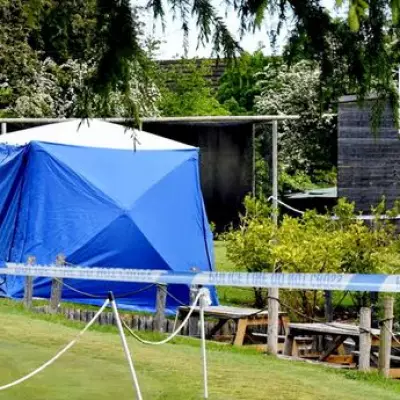
Locals describe a community that has deteriorated dramatically over two decades, with growing unemployment, insufficient investment, and social decay transforming the urban landscape. Photographs reveal illegally dumped waste, vacant retail premises, and shuttered properties, painting a picture of a town that many feel has been abandoned. One resident bluntly stated the area now feels "like living in a war zone", with numerous people too frightened to venture out after dark.
Economic Despair: Beggars Outearning Traders
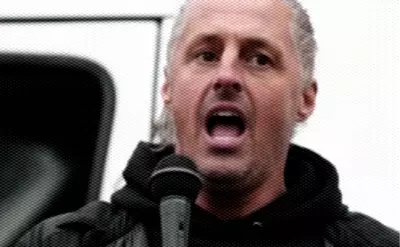
The economic reality has become so severe that some market traders reportedly take home less than £100 on poor days, while homeless individuals begging outside local pubs allegedly earn more. Daniel Briars, 40, a local man, explained: "I know a lad who runs a market stall and some days he takes home less than £100. I've spoken to homeless people who earn more than that by begging outside Spoons." This shocking comparison underscores the depth of the town's economic challenges.

Notorious Estates and Daytime Dangers
The Blakenall estate, formerly labelled Britain's roughest, continues to epitomise the town's struggles. Residents report that unruly youngsters, gang-related violence, and substance abuse have transformed streets into dangerous territories even during daylight hours. One long-term inhabitant remarked: "It's rubbish and drugs which are the issue. The council and police aren't interested in us. The fire engines are here a couple of times a week as the kids keep setting stuff alight."
Voices from the Community: Fear and Frustration
Market vendor David, who preferred to withhold his surname, lamented the town's decline: "It's in a state, full of drinkers and beggars. A lot of people have stopped coming, especially old people, they get frightened to come to the town." He described areas where "it's like a fighting ring at the fountain" and noted the council doesn't activate water features over safety concerns.
Retail worker Alan Sharrat, 79, recalled a very different Walsall: "It used to be a fantastic thriving town, but now there's more empty shops than being used. When I was at school in the 50s it was a thriving area. There was a market in the town centre and you could buy anything you wanted to." He identified unemployment as the main driving force behind the deterioration.
Safety Concerns and Demographic Changes
High street shopper Sam revealed she was relocating to Poland to escape the area, citing feeling unsafe on the streets. She stated: "I only come into town for what I need, I don't feel safe living here. As a kid I used to walk into town alone. But now my husband doesn't want me heading out alone. Then there's all the stabbings - 30 years ago you hadn't heard of a stabbing. Now it happens all the time."
Youth Violence and Institutional Challenges
Community practitioners Andrew and Jayne, both 38, suggested that insufficient facilities and violence made the deprivation ranking hardly shocking. Andrew noted: "You're more likely to get caught up in knife crime here than 90 per cent of the UK." Jayne added the grim reality of teaching first aid in schools: "What I found really grim is that we had Year 6's having anti-stabbing ambassadors to tackle knife crime. These are kids who are nine or 10-years-old."

Business Impact and Council Response
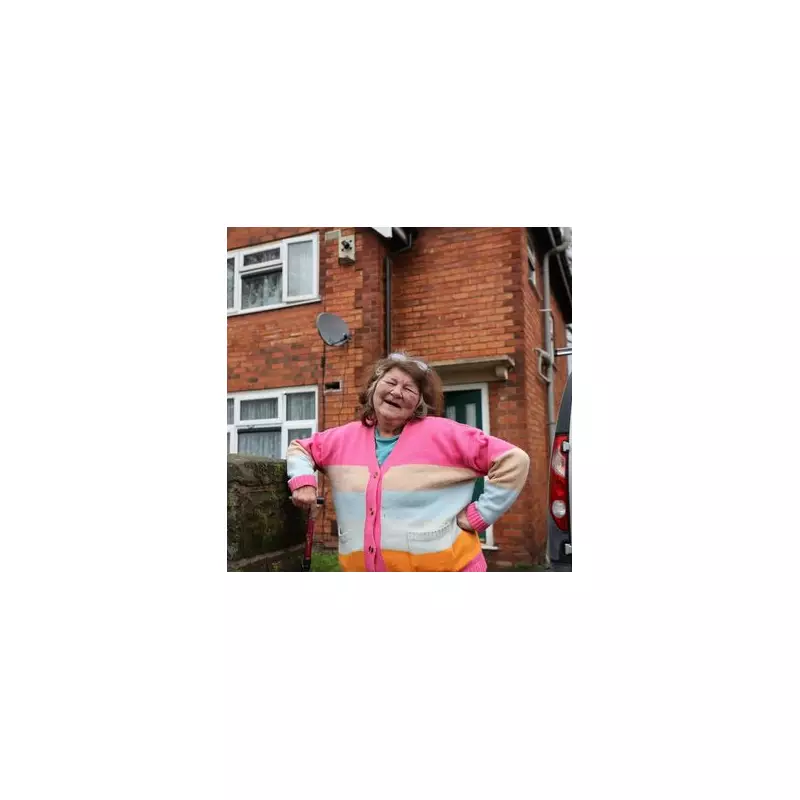
Jameel, 48, who runs a menswear shop, expressed concerns about rising shoplifting impacting his trade: "It's poverty in the area that's the problem. People drink and don't work. I'm scared in this stall as when we close up at night time, gangs hang around the front of the shop." However, not all residents share the bleak perspective. Mary Davis, 83, who relocated from Ireland in her youth, insists she's proud to call Walsall home and has never experienced crime personally.
A Vision for Regeneration
Councillor Adrian Andrew, Deputy Leader of Walsall Council, acknowledged the challenges but insisted it was "time to change the conversation about Walsall". He highlighted multiple regeneration projects currently underway through the We Are Walsall 2040 plan, stating: "Too often, we hear people talking our borough down, but Walsall is on the rise. The challenges we face are not unique but what sets us apart is the determination and ambition that's driving our transformation." The council continues to work with partners across health, enforcement, education and skills to tackle inequalities and secure much-needed investment for the borough's future.