Willenhall: The 'Oliver Twist' Town Where Food Banks Run Dry by Midday
In the heart of the West Midlands, the town of Willenhall presents a stark contrast of vibrant community spirit against a backdrop of deepening deprivation. Known historically as the lock-making capital of the world, this once-industrial boom town now faces a harsh reality where its food bank often runs out of supplies by midday, according to local campaigners.
A Town of Contrasts: Festivals and Food Banks
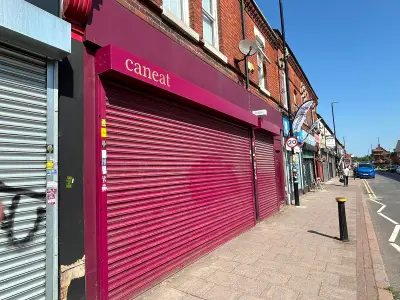
On a fine spring afternoon, Willenhall town centre buzzes with activity. Shoppers mill about the outdoor market, music pumps from stalls, and butchers in aprons shout their wares. Yet, beneath this cheery surface, residents describe Willenhall as the "poor neighbour" of nearby Walsall, a place that has been "forgotten" and left behind.
The town's industrial heyday in the 19th century earned it the nickname "Humpshire" due to workers developing rounded backs from hunching over lock-making. Today, that industry has largely vanished, leaving high unemployment in its wake, though lock manufacturer Assa Alboy remains a local employer.

Community spirit, however, remains strong. Willenhall boasts:
- The Willenhall Lock Stock Music Festival, attracting 4,500 people annually with rock, pop, and soul music.
- The Willenhall Carnival, running since 1920.
- The Willenhall Transport Show and Sucha Mela.
- A recently reopened train station, restoring rail links after a 60-year gap.
Nigel Dutton, 68, director of the music festival, emphasizes: "Willenhall's DNA is embedded with good community groups... It's got a great community spirit, people rally round."
Deprivation and Growing Need
Despite these positives, deprivation casts a long shadow. John Price, 65, manager of the charity Willenhall CHART Centre, runs a food bank that struggles to meet demand. "The need is growing faster than we can keep up with," he says. "If you don't get to this community pantry by midday, there's nothing left."
Price bluntly describes Willenhall as "a deprived place, 100%," with high unemployment and low wages for those who do work. He likens the town to "Oliver Twist," getting "the leftovers" from neighboring areas.
Heritage at Risk and Youth Challenges
Willenhall's historic charm is evident in landmarks like the Memorial Clock, built in 1892 to honor Doctor Tonks, who offered affordable healthcare in Victorian times, and The Bell Inn, dating back to 1590 and surviving the great fire of 1659. Ralph Jackson, 82, of the Willenhall History Society, warns that many buildings are "in danger" of being lost, with HMOs becoming a contentious issue.
Youth anti-social behavior adds to the town's woes. Last year, a gang cut the Christmas lights during a well-attended switch-on event, which Councillor Simran Cheema says "put a dampener on things." She notes that such incidents are part of a cycle, with known offenders dealt with through the youth justice system.
Hope and Resilience
Amid the challenges, there are signs of progress. The train station reopening on March 19, 2026, after decades of closure, is hailed as a game-changer, improving connections to Birmingham and Shrewsbury. Development projects are demolishing derelict sites to build new family homes, potentially boosting footfall in the town centre.
Councillor Cheema reflects: "There are a lot of good people who do good work... to make the town a better place for residents and businesses. And it's that community spirit that keeps the town going."
As Willenhall navigates its identity between past glory and present hardship, its residents continue to rally, proving that even in the face of empty food banks and economic strain, the heart of this community beats strong.