Kedleston Hall Launches Groundbreaking Tibetan Artefacts Exhibition
Derby's historic Kedleston Hall is set to unveil a remarkable new exhibition from February, showcasing Tibetan artefacts from its extensive collection while shedding light on previously untold stories. How Did We Get Here? represents a significant collaboration between the National Trust and members of Britain's Tibetan community, offering visitors a fresh perspective on cultural heritage.
Exploring Object Journeys Through Personal Narratives
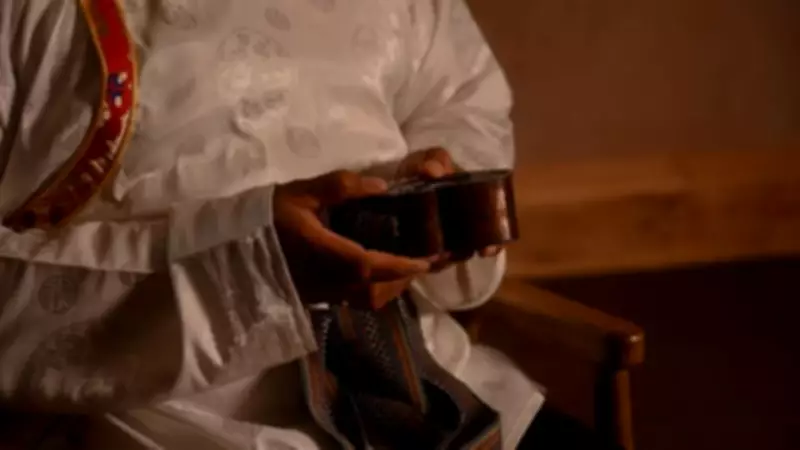
The exhibition explores the fascinating journeys of carefully selected objects through multiple creative mediums. At its heart is a newly-created film by British-Tibetan artist Nyima Murry, featuring powerful personal stories that bring a contemporary perspective to the historical pieces. Set within the magnificent 18th-century mansion's state rooms, visitors will experience these artefacts at close quarters alongside the compelling Encounters film.
British-Tibetan writers have contributed imagined narratives exploring the possible journeys these selected artefacts undertook to reach Kedleston Hall. Their words, combined with the stories featured in Encounters and additional behind-the-scenes footage, invite meaningful reflection on how museum collections are formed, interpreted, and understood by contemporary audiences.

Behind-the-Scenes Conservation Insights
As part of the immersive exhibition experience, the Conservation Studio adjacent to the museum will offer visitors the rare opportunity to gain behind-the-scenes insight into conservation work. This special access reveals the techniques, processes, and collaborative decision-making that made this groundbreaking exhibition possible, providing a unique window into museum practice.
Morgan Feely, property curator at Kedleston Hall, emphasised the exhibition's significance: "How Did We Get Here? has been a meaningful partnership as we move towards telling the fuller stories of the collection pieces and places in our care. By working closely with members of the Tibetan community, we are able to share histories that are both personal and global."
Artist Collaboration and Cultural Significance
Nyima Murry, the British-Tibetan artist behind the exhibition's central film, described the project as "hugely significant" and "an enormous privilege." She explained: "The honesty, vulnerability, and openness that everyone involved brought to the film was beyond my expectations. Through telling the human story, I hope the audience can gain a new layer of understanding and appreciation of the objects."
Murry emphasised that Tibetan heritage and culture "are not fixed behind glass screens, but continue to be dynamic and alive," hoping her film inspires audiences to celebrate these previously untold stories. The exhibition demonstrates how historical artefacts maintain cultural importance for contemporary communities beyond their historical significance.
Historic Setting and Visitor Information
Kedleston Hall itself provides a magnificent backdrop for this cultural exploration. Built as a temple to the arts by architect Robert Adam in the 18th century, the property boasts an outstanding collection of paintings, sculptures, and original furnishings. Visitors can explore the state rooms and view the Kedleston Museum, which houses hundreds of objects collected by George Nathaniel Curzon during his travels to South Asia and the Middle East.
The exhibition runs from February 14 to September 27 and is free to enter with admission to Kedleston Hall, with no booking required. Over the coming months, additional How Did We Get Here? events will take place, including an outdoor trail set within Kedleston's extensive gardens and parkland later this year.
This innovative project has been supported using public funding by the National Lottery through Arts Council England, representing a significant investment in cultural storytelling and community collaboration within the heritage sector.