As winter begins to wane, communities across the globe are preparing to welcome the Lunar New Year, a festival steeped in tradition and symbolism. This year, the celebrations will officially commence on Tuesday, February 17, 2024, coincidentally aligning with Pancake Day in many Western calendars. The occasion heralds the arrival of spring and is universally associated with themes of renewal, fresh beginnings, and the promise of revitalised good fortune.
The Year of the Horse: Symbolism and Significance
The Chinese zodiac calendar operates on a 60-year cycle, comprising five rotations of its twelve distinctive animal signs. In 2024, the world ushers in the Year of the Horse, an animal emblematic of freedom, vitality, independence, and ambition. This potent symbolism suggests a period particularly conducive to personal growth, initiative, and the pursuit of new ventures.
Understanding Your Chinese Zodiac Sign
Unlike Western astrology, which is based on birth months, the Chinese zodiac assigns an animal according to your lunar birth year. At the dawn of each Lunar New Year, every zodiac sign receives updated horoscopes that offer insights into relationships, health, and financial prospects. To determine your sign, simply reference your year of birth against the zodiac cycle.

The Mirror has provided a guide indicating when each zodiac animal might anticipate enhanced wealth opportunities in the coming year:
- Rat: February (e.g., 1936, 1948, 1960, 1972, 1984, 1996, 2008, 2020)
- Ox: March and August (e.g., 1937, 1949, 1961, 1973, 1985, 1997, 2009, 2021)
- Tiger: November (e.g., 1938, 1950, 1962, 1974, 1986, 1998, 2010, 2022)
- Rabbit: September (e.g., 1939, 1951, 1963, 1975, 1987, 1999, 2011, 2023)
- Dragon: July (e.g., 1940, 1952, 1964, 1976, 1988, 2000, 2012, 2024)
- Snake: August (e.g., 1941, 1953, 1965, 1977, 1989, 2001, 2013, 2025)
- Horse: September (e.g., 1942, 1954, 1966, 1978, 1990, 2002, 2014, 2026)
- Sheep: Relatively high at all times (e.g., 1943, 1955, 1967, 1979, 1991, 2003, 2015)
- Monkey: July (e.g., 1944, 1956, 1968, 1980, 1992, 2004, 2016)
- Rooster: July (e.g., 1945, 1957, 1969, 1981, 1993, 2005, 2017)
- Dog: March onwards (e.g., 1946, 1958, 1970, 1982, 1994, 2006, 2018)
- Pig: May and December (e.g., 1947, 1959, 1971, 1983, 1995, 2007, 2019)
The Elemental Dimension
To gain a complete understanding of your Chinese zodiac profile, one must also consider the elemental force associated with your birth year. The cycle rotates through Wood, Fire, Earth, Metal, and Water, determined by the last digit of your birth year:
- 0 or 1: Metal
- 2 or 3: Water
- 4 or 5: Wood
- 6 or 7: Fire
- 8 or 9: Earth
This combination creates nuanced signs. For instance, 2024 is specifically the Year of the Fire Horse. An individual born in 1953 would be a Water Snake, someone born in 1970 a Metal Dog, and a person born in 1988 an Earth Dragon.
Global Celebrations and Traditions
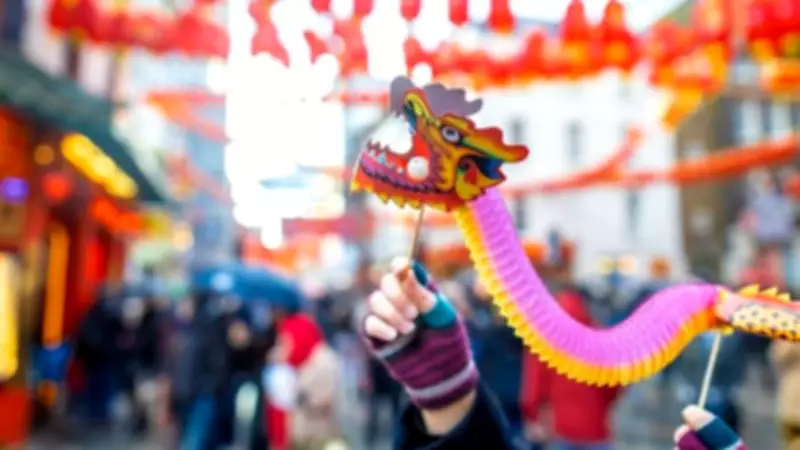
The Lunar New Year is a monumental festival observed by approximately two billion people worldwide. Celebrations are characterised by vibrant processions featuring iconic Chinese dragons and thunderous drums, enchanting lantern parades, and intimate family reunions. A cherished tradition involves the gifting of small red envelopes, known as hongbao, filled with money to symbolise the wish for good luck and prosperity in the year ahead.
It is crucial to note that the Chinese New Year does not align with the Gregorian calendar's January 1st. Instead, its date fluctuates annually, typically falling between January 21 and February 20, based on lunar cycles.
Spring Festival Customs and Taboos
The New Year is part of the broader Spring Festival. To preserve and attract good fortune, several traditional practices are observed, and certain activities are cautiously avoided during this period:

- Sweeping or cleaning the house immediately after New Year's Day is discouraged, as it is symbolically seen as 'sweeping away' the newly arrived luck.
- Washing one's hair on New Year's Day is traditionally avoided, believed to wash away good fortune.
- The use of scissors or knives is minimised, as it is thought to potentially 'cut' the stream of wealth and prosperity.
These customs highlight the deep cultural emphasis on attracting and safeguarding positivity as the new lunar cycle begins.