For anyone navigating the roads and rail networks of the Midlands, a moment of sheer linguistic panic is a familiar experience. Staring at a sign for a destination whose pronunciation is utterly inscrutable is a rite of passage, and it turns out even seasoned locals can be caught out by these regional tongue-twisters.
The ultimate guide to Midlands pronunciation traps
The region is packed with names that look one way but sound entirely another, defying logic and tripping up outsiders and residents alike. These are not just minor quirks; they are fiercely debated local shibboleths that separate the initiated from the newcomers.
Take Caldmore, for instance. This is a masterclass in deception, pronounced not as it's spelled but simply as 'karma'. Similarly, Weoley Castle has nothing to do with its spelling; think of performing a trick on a bicycle, and you get the correct 'wheelie' Castle.

Other classic examples include Belvoir Road in Burton, where any attempt at French elegance ('bell-vwah') is wrong. Locals insist it's 'beaver', like the industrious animal. Then there's Alvechurch, often mangled on train announcements; it's not three syllables but a concise 'alv-church'.
Silent letters and local shortcuts
Many of the region's pronunciation puzzles involve letters you simply must ignore. In Smethwick, pronouncing the 'w' is a dead giveaway you're not from the area; drop it to say 'smeth-ick'. The 'd' in Hednesford is silent, making it 'hens-fud', and the 'g' in Staffordshire's Gnosall is not heard, resulting in 'no-sawl'.
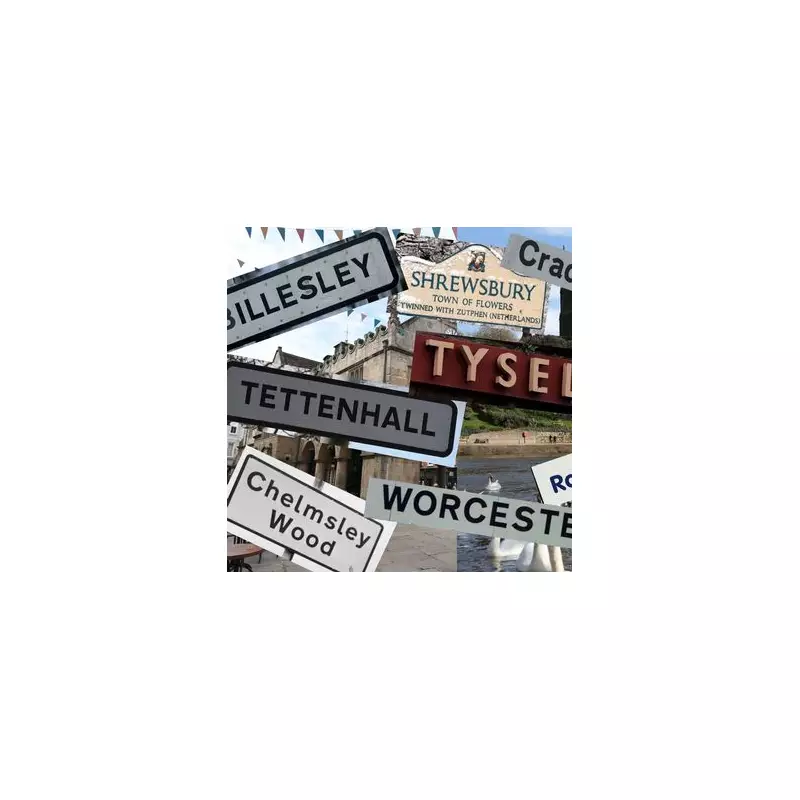
Local dialects often condense names for efficiency. Billesley becomes a snappy 'bills-lee', skipping the middle vowel. Wolverhampton's Tettenhall is streamlined to 'tet-nul', and Wednesbury follows the same pattern as Wednesday, becoming 'wens-bree'.
Some pronunciations require a complete auditory rethink. The Black Country's Cradley Heath is 'crayd-lee', not 'crad-lee'. South Staffordshire's Brewood is famously 'brood', and Great Wyrley is 'wurl-lee', avoiding the trap of 'wire-lee'.
The great debates and border crossers
Certain names spark friendly but firm disagreements. The ultimate test might be Shrewsbury, where the divide between Team 'shroos-bury' and Team 'shrows-bury' runs deep, with both camps claiming authenticity.
Similarly, in Rugeley, you're as likely to hear 'rouge-lee' as 'rudge-lee', often depending on the age of the speaker. For Malvern, just over the border, locals accept 'mol-ven' or 'mul-ven' but will swiftly correct anyone attempting 'mal-ven'.
Crossing into neighbouring counties brings its own challenges. Herefordshire's Leominster is simplified to 'lem-ster', while Warwickshire's Alcester smooths down to 'ullster'. The famously tricky Worcester remains a nightmare for tourists but is second nature to Midlands residents as 'wusster'.
From Coventry's Styvechale (sty-chel) to Sutton Coldfield's deceptively simple Walmley (warmly), the list is extensive. These names are more than just directions; they are a vocal badge of local knowledge and a charming, if confusing, part of the Midlands' cultural fabric.