A young fashion graduate from Lancashire has launched an innovative partnership with a local children's hospice to tackle the growing problem of unsellable clothing donations through creative upcycling.
Transforming Rags into Fashion Statements
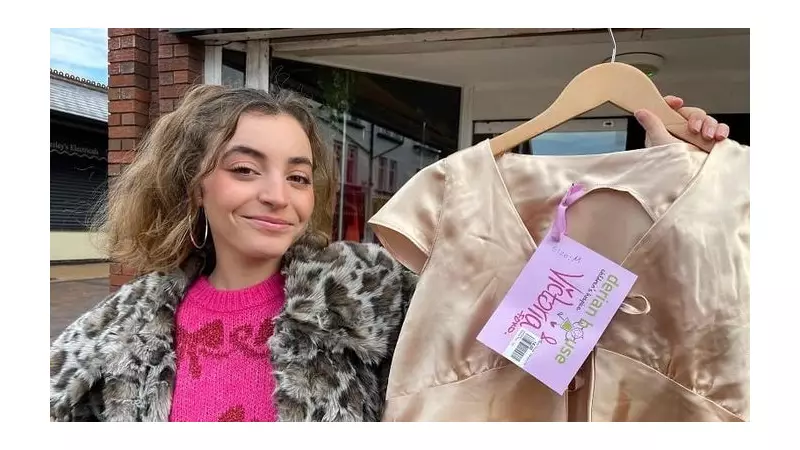
Victoria Ford, a 23-year-old from Chorley who recently completed her Fashion and Design degree at Manchester Metropolitan University, has joined forces with Derian House Children's Hospice to give their charity shop rejects a remarkable second life. The pioneering scheme addresses a critical issue faced by charity retailers nationwide: what to do with clothing donations that are too worn or damaged for resale?
Armed with her sewing skills and creative vision, Victoria has already begun transforming discarded garments into unique skirts, tops, and accessories. Among her most inventive creations are handbags crafted from old blow-up beds, demonstrating how unconventional materials can find new purpose in fashion.

Sustainability Meets Style
"I think sustainability is definitely important right now, and for the future of fashion," explained Victoria, whose one-of-a-kind designs are now available at Derian House's Chorley town centre shop. "Rather than letting things go to waste, I wanted to help Derian House give their unsellable clothing a new life and turn them into something others can enjoy."
The project comes at a crucial time as fast fashion continues to flood charity shops with low-quality items. Where once these rags could be sold for recycling, many charities now face disposal costs for unsellable donations.
Local Connections and Creative Vision
Victoria's connection to the hospice runs deep. "Derian House is local to me - I have taken a tour of the hospice myself and I think it's really amazing," she shared. "What they do there is just incredible, and it does so much for families in the community, so it's great to be involved."
The fashion graduate has long embraced upcycling principles in her personal style. "I've always wanted to do fashion design and have always been interested in upcycling pieces. In fact, I've made many clothes that way," she revealed. "I think it's a great way of expressing your individuality while also having fun with fashion."
Changing Fashion Perspectives
Victoria encourages people to reconsider their approach to clothing. "It's about turning it on its head and thinking outside the box. For example, you might find a skirt in a charity shop and think, wow, that fabric would look really nice as a top," she suggested.
Her personal shopping habits reflect this philosophy. "A lot of my clothes are either homemade or bought from charity shops. Me and my friends will often go into Chorley or Manchester and do a little charity shop crawl - you can always find proper good gems."
The young designer believes everyone can contribute to more sustainable fashion practices. "I think we all need to take a look at what we wear and how we wear it. And I think if you buy something brand new, you should be mindful of how long you might wear it for. I think we could all work on being more sustainable while also wearing unique pieces that stand out."
Supporting Vital Hospice Services
Mick Croskery, head of income generation at Derian House Children's Hospice, welcomed the innovative approach. "Just like other charity shops, ours have become inundated with rags - low-quality and worn clothing that we are unable to sell," he explained. "Projects like Victoria's show that there is a creative way to make these items valuable again while reducing waste - helping both the environment and the vital work Derian House does for local children and families."
Expanding Retail Presence
Derian House Children's Hospice currently operates four charity shops across the North West in Chorley, Horwich, Leigh, and Blackburn. These outlets provide essential income to support the hospice's work. The charity plans to expand further with two new shops opening in Bamber Bridge and Westhoughton in the coming months.

Based in Chorley, Lancashire, Derian House cares for more than 400 babies, children, young people, and their families from across the North West region. The hospice focuses on helping families make the most of every moment, with all care provided free of charge to those who need it.
Running the hospice requires more than £6 million annually, yet the charity receives only around 30 percent of government funding. This means Derian House relies on generous supporters to raise 70p of every pound needed to continue their vital work.