Historian Carl Chinn Debunks Common Peaky Blinders Myth
Renowned Birmingham historian Carl Chinn has stepped forward to correct what he identifies as the most significant misconception people hold about the infamous Peaky Blinders. Contrary to popular belief, the name's origin is not rooted in violence but in the fashion trends of the era.
The Fashionable Truth Behind the Name
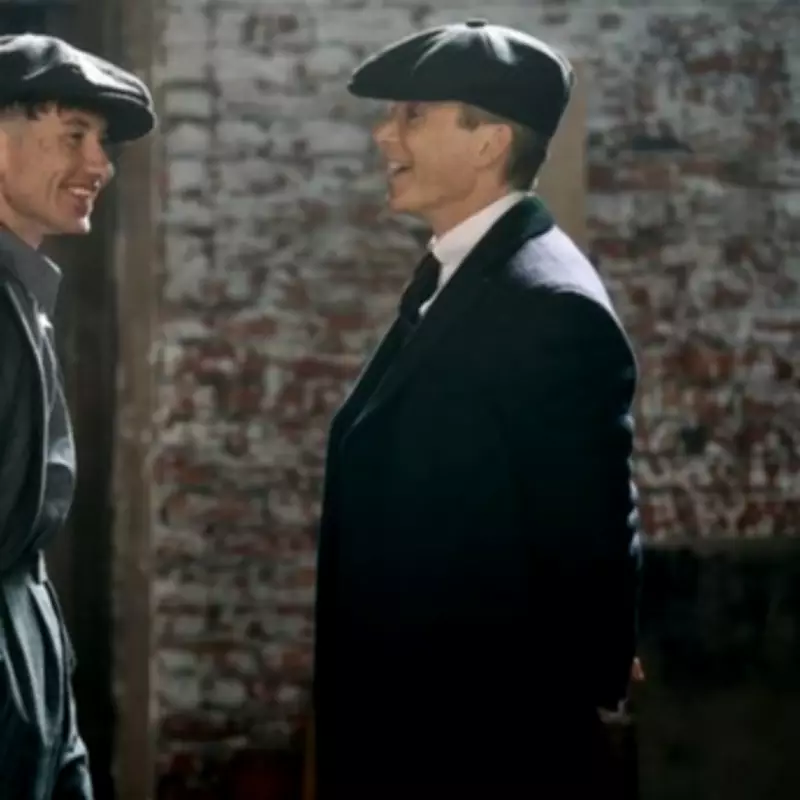
Professor Chinn, who has conducted extensive research into gang activity in Birmingham, explained that the legend suggesting Peaky Blinders sewed razors into their caps to create hidden weapons is inaccurate. Instead, the name derives from a distinctive style popular among slogging gangs starting in 1890.
"From 1890, a new fashion came in for slogging gangs," Chinn detailed. "It involved a skinhead haircut with a quiff across the forehead, above the eyes. They would then pull their cap across one eye specifically to show off that quiff."

He further noted that before the flat cap became standard working-class headgear, these individuals wore billycocks, a type of bowler hat. This sartorial choice, not weaponized headwear, gave the group its iconic name.
Separating Drama from Documentary
Carl Chinn, a well-known Brummie historian with a personal connection as the son and grandson of illegal bookmakers and great-grandson of Peaky Blinder Edward Derrick, has authored a new book titled Peaky Blinders - The Real Gangs and Gangsters. Released to coincide with the Netflix movie The Immortal Man, the book aims to present the true stories of Britain's most notorious street gangs, including accounts of police officer murders and political affiliations.
While the television series, created by Brummie writer Steven Knight based on passed-down stories, is highly entertaining, Chinn emphasizes it is a drama, not a documentary. Several key characters and plot points diverge significantly from historical reality.
"Billy Kimber was portrayed as a Londoner," Chinn pointed out. "He was actually a Brummie from Summer Lane." He also shared an encounter with Simeon, the younger brother of character Alfie Solomons, in a tough London pub, who revealed the real assault that led his brother into gangster life.
Honoring the Real People Behind the Fiction
Chinn provided a poignant example with the Changretta family. In the series, they are depicted as gangsters seeking revenge, but in reality, Martino Changretta arrived as an indentured worker for an ice cream dealer. He worked tirelessly selling ice cream in summer and potatoes in winter to pay off his debts before marrying, becoming a naturalized Englishman, and even fighting for the Royal Warwicks in the Second South African War.
"Mr Changretta was an honourable man," Chinn stated, "and his last son was killed in the Second World War during the Italian landings, not far from where his father had left."
Despite these historical inaccuracies, Chinn admits to enjoying the BBC show. He cautions viewers, however, to remember the distinction between entertainment and fact.
"It is very important that whilst we can enjoy the drama and we can be taken in by the charismatic acting, the pulsating soundtrack, and the powerful storyline, we must remember it is a drama, it is not reality," he asserted.
He clarified the actual timeline of the Peaky Blinders, noting they were active from the late 1860s until just before the First World War, not the 1920s as depicted. By the 1920s, only ageing former members would have remained. Chinn stressed that the real-life Peaky Blinders were not meant to be admired, a crucial point often lost in the glamorous television portrayal.