Manchester's Creative Class Crisis: Working Class Talent Blocked by Systemic Barriers
A stark warning has been issued about the future of Greater Manchester's world-renowned creative and media industries, with a landmark inquiry declaring they face an existential threat unless deep-rooted barriers preventing working class people from entering the sector are urgently dismantled.
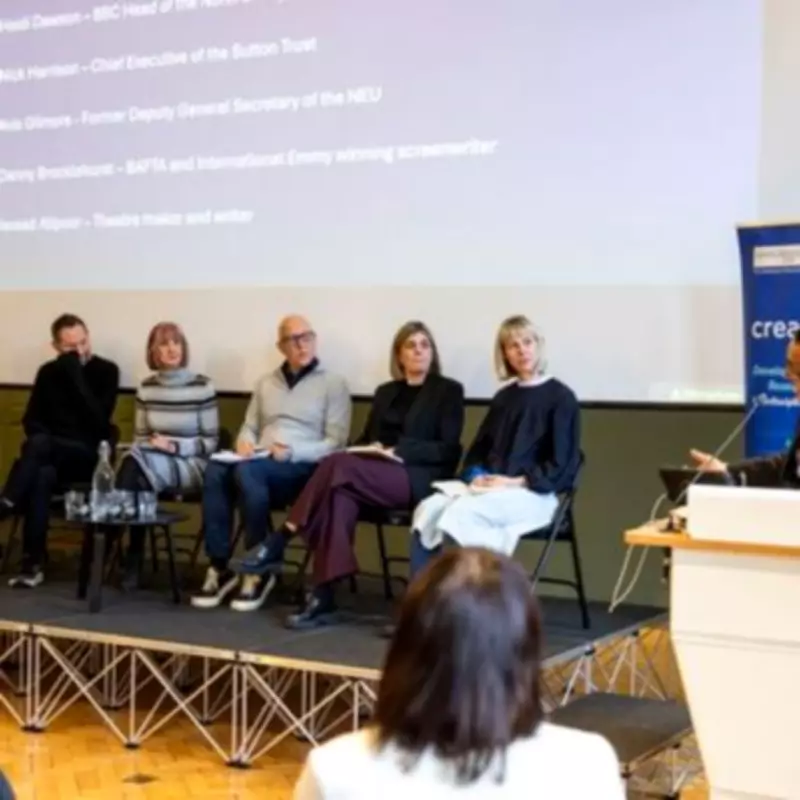
The Class Ceiling inquiry, spearheaded by University of Manchester chancellor Nazir Afzal and former trade union leader Avis Gilmore, paints a troubling picture of a sector becoming increasingly gentrified and inaccessible. The report, launched at an event in Manchester's Whitworth Art Gallery, draws from over 150 hours of testimony from artists, musicians, playwrights, and screenwriters.
A Region at Risk of Losing Its Cultural Identity
The inquiry delivers a powerful message: Manchester risks losing the very cultural energy that defines it. "For a region famed for its working class culture, it presents an existential threat," the report states. "If the outpouring of talent that has long fertilised Manchester begins to dry up, then the city is at risk of losing its identity."

It challenges readers to imagine the region stripped of the talents that shaped its modern character—from comedy legends like Peter Kay and Caroline Aherne to musical icons like the Gallagher brothers, The Stone Roses, and Aitch. Without this unique input, the report warns, Manchester could become "just another bland city."
The Irony of Success: Economic Boom Creates Exclusion
Paradoxically, the report identifies that Manchester has become a victim of its own creative success. Following its recognition over two decades ago as the UK's most creative place, significant economic growth followed. However, this boom has slowly pushed working class artists and creators out, replaced by an ever-increasing middle-class presence in the sector.
One survey participant encapsulated the core issue, highlighting a language of privilege: "People who have been to a private school don't realise that they can speak a language that people who didn't can't. It's the language of easy confidence... If you grow up where I did, that's just not how you feel."
Alarming Statistics Reveal a Broken System
The inquiry uncovered disturbing data that quantifies the scale of the problem:
- Only 44 per cent of creatives surveyed earn enough to make a living, forcing many into second jobs.
- Over half (51 per cent) have experienced bullying, harassment, or bias based on their social class.
- A mere 18 per cent see their lived experiences widely represented in their art form.
- Just 22 per cent knew anyone working in the arts while growing up, highlighting a critical lack of networks.
Speakers at the launch event emphasised that exposure to the arts remains a primary hurdle, with less disposable cash for events, fewer paid gigs, and vanishing venues creating a perfect storm for those without financial backing.
Twenty-One Recommendations for Radical Change
In response to these systemic failures, the inquiry proposes twenty-one concrete recommendations to forge a more inclusive path forward. Central to these is the bold call to treat class as a protected characteristic in arts policy, despite it not being recognised in the national Equality Act.
Nazir Afzal argued forcefully for this shift: "Britain and Manchester do not have a talent pool, it has a system that quietly filters out talent. Class, income, geography and access continues to decide who gets to stay in the room and who does not... What we do not measure, we do not change."
Other key recommendations include:

- The appointment of a dedicated Class Champion.
- A significant drive to increase paid apprenticeships and entry routes.
- Measures to decasualise labour and provide basic employment security.
- The creation of a co-ordinating body, led by the Greater Manchester Combined Authority (GMCA), to marshal resources and best practice.
Exploitation and the Cost of Entry
Avis Gilmore highlighted the shocking reality of exploitation at the sector's entry level. "It is absolutely shocking that if you want to get a job right across the cultural field you've almost got to pay for the first several years," she stated, describing a landscape of unpaid work, no sick pay, and no holiday pay that effectively prices out those from less affluent backgrounds.
Despite the bleak assessment, the report and event also spotlighted beacons of hope and change. Venues like Rochdale's Richard Street Studios, the Frog and Bucket Comedy Club, Company Chameleon dance studio, and Snug in Atherton were praised for providing crucial platforms for emerging talent.
Greater Manchester Mayor Andy Burnham, who championed the cause at the launch, pushed for more paid placements for young people. The ultimate goal, as framed by the inquiry, is to move from relying on the generosity of arts lovers to creating a properly funded, mainstream system that actively cultivates working class talent—ensuring Manchester's creative heart continues to beat with its authentic, diverse voice.