In a landmark move for Holocaust education and remembrance in the UK, Holocaust Centre North has unveiled a comprehensive new online collections browser and digital galleries. For the first time, its extensive archive of personal stories, photographs, and artefacts is accessible to a global audience, marking a significant leap forward in preserving and sharing vital histories of displacement and resilience in Northern England.
Unprecedented Access to Personal Histories
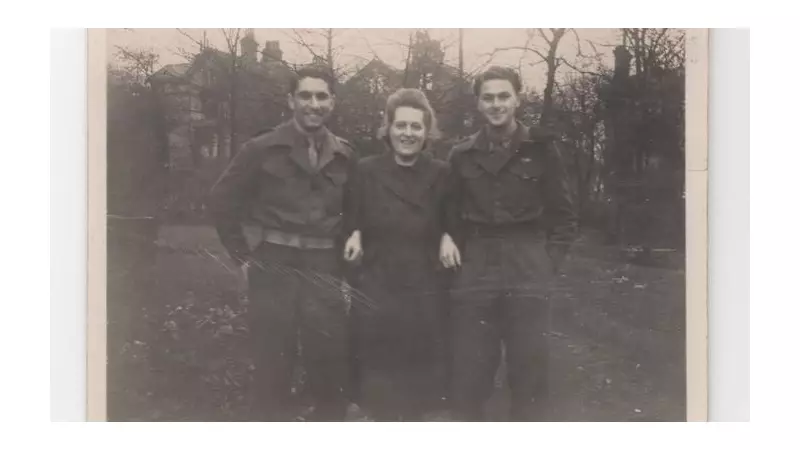
The launch represents the culmination of a three-year digitisation project, part of the centre's ambitious Homeward Bound archiving initiative. The collection has been dramatically expanded from 6,000 to more than 21,000 unique items of documentary evidence. Working closely with survivor families across cities like Leeds, Manchester, and Bradford, the centre has painstakingly catalogued and digitised precious materials that were previously only viewable in person.
The new platform features a searchable browser alongside three curated digital galleries, designed to offer structured pathways into the archive. These galleries reveal powerful true stories of hope, loss, and survival, focusing on specific themes that bring the region's Holocaust history to life.

Highlights from the New Digital Galleries
One of the key collections now available online documents the Bradford Hostel for Jewish refugees. This hostel provided a lifeline to more than two dozen young people, including 24 teenage boys and one girl, who escaped Nazi persecution in Germany and Austria.
A second gallery showcases intimate personal belongings brought to Britain by survivors. Items such as homemade childhood toys, Seder plates, board games, and cushions have been bequeathed by families for safekeeping. Among them is a pair of gloves recently donated by Lesley Schatzberger, originally belonging to her grandfather and brought from Vienna, illustrating the deeply personal nature of the archive.
The third gallery is dedicated to the experiences of child refugees. It features stories like that of the Schrötter family, who found refuge in Albania—a little-known sanctuary—before being sponsored to immigrate to England by a Leeds businessman in August 1939. A photograph of young Eric Schrötter on a beach in Durrës with other refugee children is now publicly accessible.
A World-Class Resource for Education and Research
This digital transformation enables Holocaust Centre North to become a world-class destination for Holocaust education and autonomous research. Academics, artists, schools, and survivor families worldwide can now remotely explore these materials. For Archivist Hari Jonkers, who secured funding and led the hands-on cataloguing, the project is a labour of love.
"It is hugely exciting that we can now share curated highlights from our Archive," Jonkers commented. "Digitisation allows us to protect our rare and fragile originals whilst opening up access so many more people can discover the compelling family stories we look after. This launch is just the beginning."
The website is free to use and ensures these powerful stories of survival and community-building in the North of England will continue to resonate globally for generations to come.