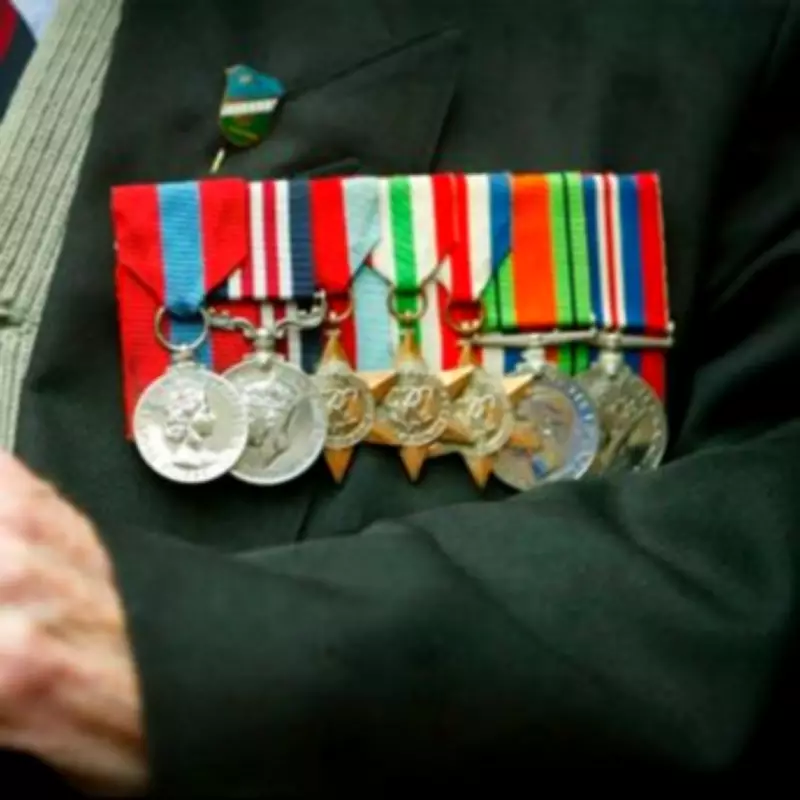
War Museums Offer £3 Tickets to DWP Benefit Claimants While Veterans Pay Full Price
There is significant controversy brewing across the United Kingdom as several national war museums have implemented a ticket pricing structure that offers heavily discounted £3 entry to individuals receiving Department for Work and Pensions (DWP) benefits, while concurrently requiring serving military personnel and veterans to pay the full standard admission fee.
Details of the Discount Scheme and Standard Pricing
The reduced £3 ticket offer is specifically available to claimants on Universal Credit and certain other DWP benefits. This initiative is reportedly designed to increase accessibility and visitor numbers from diverse socioeconomic backgrounds. However, this stands in stark contrast to the pricing for military-affiliated individuals.
Standard adult tickets at these institutions can cost approximately £30, and neither active-duty troops nor former service members qualify for any form of reduced entry under this particular scheme. This policy is in effect at prominent sites including HMS Belfast in London and the Imperial War Museum (IWM) Duxford air museum in Cambridgeshire.

Political and Public Reaction
The disparity has ignited fury and drawn sharp criticism from political figures. Labour Party MP Luke Charters voiced strong opposition, stating, “If our servicepeople are willing to put everything on the line for Britain, the very least our museums can do is give them a discount.”
Reform UK also questioned the logic, asking, “Why are military museums treating people on benefits better than veterans?” This sentiment reflects a broader public debate about recognition and support for those who have served.
Institutional Response and Clarifications
In response to the criticism, the Imperial War Museum (IWM) has clarified its position. A spokesperson explained that the reduced prices are intended to broaden access. They also noted that military personnel and veterans can benefit from the £3 ticket if they themselves are in receipt of Universal Credit, thereby aligning eligibility with benefit status rather than service history alone.
Context on Military Pensions and Benefits
The Child Poverty Action Group provides important context regarding pensions for armed forces veterans. They outline several pension schemes similar to occupational pensions, including:
- The 1975, 2005, and 2015 armed forces pension schemes.
- The reserve forces pension scheme.
These pensions are typically based on length of service, rank, and pay. Furthermore, survivor pensions or dependant’s benefits may be paid to a spouse, civil partner, or cohabiting partner upon the service member's death, regardless of whether the death was service-related.
Critically, these survivor pensions are usually considered in full as income when calculating eligibility for means-tested state benefits. This treatment is analogous to how civilian occupational pensions for surviving dependants are assessed within the benefits system.
The situation highlights a complex intersection of cultural policy, social welfare, and national recognition, raising questions about how institutions honor service while promoting inclusivity.