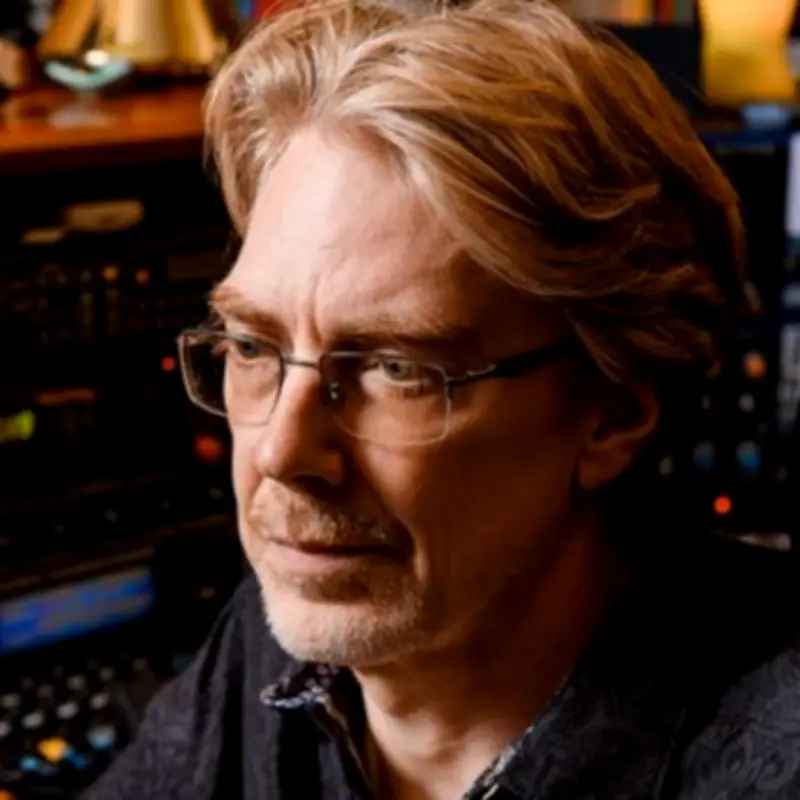
This weekend, the BAFTA Games in Concert will arrive in Birmingham, performing some of the most beloved gaming scores with a full orchestra. Ahead of the event, BirminghamLive spoke to Jesper Kyd, the award-winning Danish composer behind Assassin's Creed, Hitman: Blood Money, Warhammer 40,000: Darktide, and many more. Specifically for Assassin's Creed, he composed the original, II, Brotherhood, Revelations, and Valhalla. Tickets are still available for the concert at Symphony Hall, Birmingham, on Saturday, 6 June.
Balancing Sci-Fi and History in Assassin's Creed
Kyd explained how he balanced the sci-fi elements with historical settings. 'The Animus was a huge part of the original game, so we wanted to include that in the soundtrack. For the first game, we had three different cities—Jerusalem, Acre, and Damascus—each requiring a distinct music style. Damascus had a more Muslim-inspired sound, Acre a Christian-inspired sound, and Jerusalem mixed both. On top of that, I added a sci-fi element, which I called the Animus filter, where live recordings were tweaked to sound slightly off, giving them a futuristic depth. When escaping or running across rooftops, the music shifted from orchestral to electronic, with beats and synthesizers.'
The Angelic and Creepy Tone of the Original Games
The tone of the early games was intentionally angelic, eerie, and even creepy. 'The angelic aspect came from scoring with religion in mind, as the Third Crusade was a deeply religious time. The creepy side reflected the brotherhood working in the shadows. Altair was a serious assassin, true to the creed, while Ezio was looser. That contrast influenced the music.'

How Characters Influenced the Music
Kyd noted that the characters directly shaped the compositions. 'The first game had a darker, creepier tone because we were still figuring out what Assassin's Creed was. It was about the creed and perfection. Later games opened up to other influences.'
From Prince of Persia to Assassin's Creed
Kyd joined the project later in development. 'The early footage looked like Prince of Persia but had a stealth element that became core to Assassin's Creed. The game used a new engine, and when it came out, it was groundbreaking—like GTA 3, it changed the industry.'
Ezio's Evolution in Revelations
For Revelations, Kyd focused on continuity rather than aging Ezio. 'In Brotherhood, he was a master assassin, so the music had more confidence. For Revelations, I didn't want to lose that momentum. Instead, I concentrated on the new location and its unique sound.'
Returning for Valhalla
Working on Valhalla was a shift. 'The game wasn't city-focused; it was set in nature—forests, fields, mountains. I scored it from the Vikings' perspective, incorporating their belief in gods and the afterlife. We recorded instruments outside to capture a realistic, outdoor feel. I wrote three hours of music for it.'
Hearing His Music at BAFTA Games in Concert
Kyd reflected on the experience. 'When Assassin's Creed 2 came out in 2009, video game concerts were rare. Now they're common. It's great to see the music performed by an orchestra.'