Mum's Warning: How Far Right Groomed Her Son at School and What Parents Must Know
Sarah Hardy, a mother from the north west of England, initially thought her son John was just going through a typical teenage phase when he became withdrawn, rude, and stopped seeing his old friends. However, her world shattered when she discovered he was participating in a far-right protest, singing racist songs with pride. This heartbreaking revelation led her to speak out, aiming to help other parents recognise the dangers of extremism grooming in schools and communities.
The Descent into Extremism
John's journey began innocently at age 14 when a friend showed him a meme about army veterans living on the streets. As someone with an uncle who served and faced mental health issues, John felt the government wasn't doing enough. This sparked his curiosity, leading him down a rabbit hole of anti-Muslim posts and misinformation disguised as facts. Online recruiters soon targeted him, feeding him narratives about protecting his family from a supposed race war and takeover by a particular faith group.
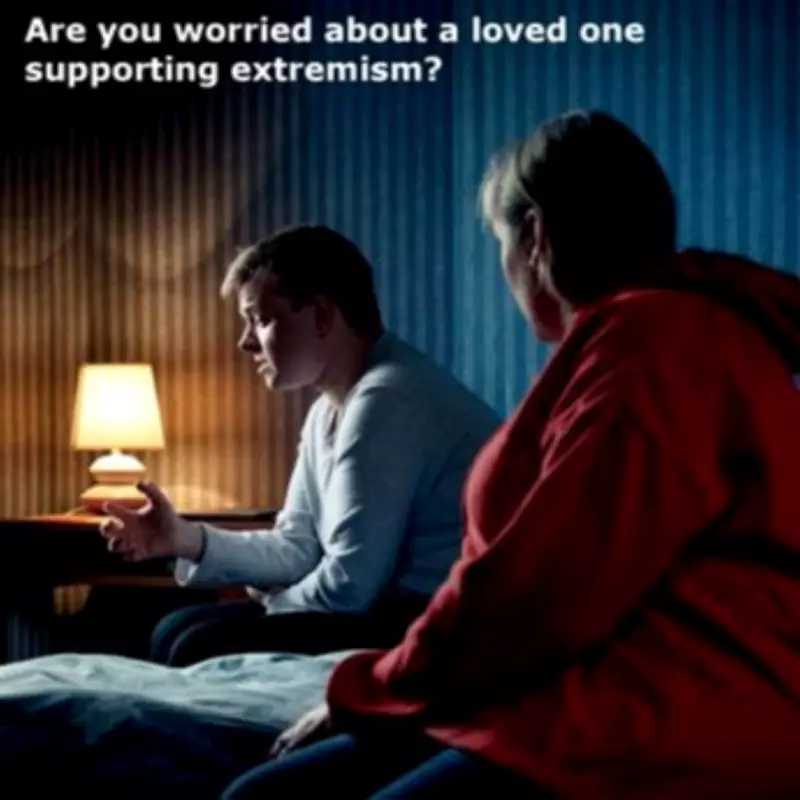
Sarah, a hardworking single mum, was unaware of the extremist content filling her son's mind. She described John as a kind, caring child who had diverse friendships, including a close Muslim friend. But as he spent more time in his room, their relationship deteriorated. His grades dropped, and school calls about his behaviour became weekly occurrences. Yet, he never voiced extremist views openly, making it harder for Sarah to identify the problem.

The Turning Point
The situation escalated when John, then 17, lied about attending a football match and instead joined a demonstration where he was detained by police. Sarah's fear grew as he became more vocal and aggressive, to the point where she felt physically threatened. In a desperate attempt to understand, she offered to drive him to another event. Witnessing him sing racist slurs with pride left her mortified and heartbroken.
Feeling isolated and unsure where to turn, Sarah hesitated to involve authorities, fearing it would worsen John's future. Fortunately, a college teacher trained in Prevent—a Home Office initiative to counter extremism—noticed red flags and made a referral. John underwent nearly three months of one-to-one sessions through the Channel panel, cutting ties with recruiters and shutting down his social media.
Rebuilding and Raising Awareness
Today, John works for Small Steps CIC, delivering workshops on radicalisation, while Sarah serves as a family support worker for Exit Hate. They collaborate to share their story, emphasising that extremism can affect any family, regardless of background. Sarah notes that many parents she works with are professionals like professors and doctors, debunking stereotypes that only certain demographics are at risk.
She highlights that groomers often target vulnerable children, including those with neurodiversity or learning difficulties, exploiting world events to spread fear. Early intervention is crucial, as signs of radicalisation can mimic other issues. Parents are urged not to blame themselves but to seek help proactively.
Key Signs and Resources
Parents should watch for isolation from friends and family, secretive online behaviour, ideological shifts towards extreme views, anger, and justification of violence. Other red flags include accessing extremist content, using associated symbols, and drastic appearance changes.
For support, contact Act Early at 0800 011 3764 or visit actearly.uk, Exit Hate UK at info@exithate.org or 0800 999 1945, and Small Steps for anti-extremism training. Sarah stresses that open discussions about challenging topics are vital—shutting down questions can push children to seek answers from dangerous sources online.
In a world where groomers operate on gaming sites and chatrooms, vigilance and education are key to protecting young people from radicalisation.