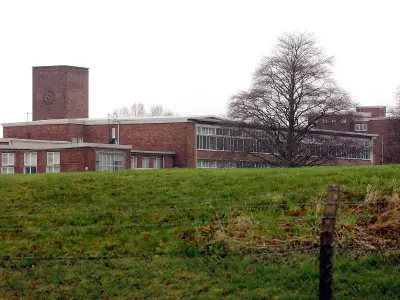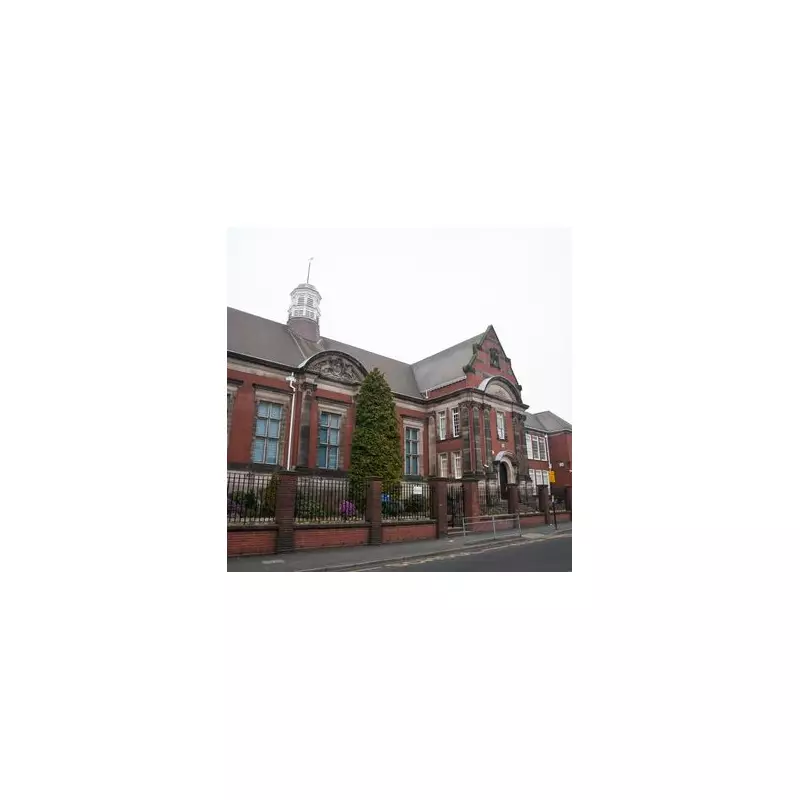
Families across the Midlands have cause for celebration as recent government data reveals nearly two dozen secondary schools in the region have ranked among England's educational elite. The Department for Education's latest performance tables show an impressive 23 Midlands institutions securing positions within the country's top 10% of state-funded secondary schools.
Academic Excellence Across the Region
The standout performer emerged as King Edward VI Camp Hill School for Girls in Birmingham, which achieved the region's highest ranking at 24th position nationally. This prestigious grammar school demonstrated exceptional academic results, cementing its reputation as one of England's finest educational establishments.
Other notable high-achievers included Lawrence Sheriff School in Rugby, securing 35th place nationwide, and King Edward VI Camp Hill School for Boys, which claimed the 49th spot. The data, compiled from the 2022-23 academic year, assessed schools based on multiple performance indicators including pupil progress, academic attainment, and student destinations after GCSE qualifications.

Comprehensive Success Stories
While selective grammar schools featured prominently, the rankings also highlighted several outstanding comprehensive institutions. Ashlawn School in Rugby achieved an impressive 129th national ranking, demonstrating that non-selective schools can compete with the country's best. Similarly, St Thomas More Catholic School in Nuneaton and Blessed William Howard Catholic School in Stafford both secured positions within the top 6% of all English secondary schools.
The geographical spread of excellence encompassed multiple Midlands counties, with strong representation from Birmingham, Warwickshire, Staffordshire, and Worcestershire. This regional success story suggests educational quality isn't concentrated in any single area but distributed across the wider Midlands region.
Measuring Educational Impact
The government's assessment methodology placed significant emphasis on Progress 8 scores, which measure how much pupils improve between primary school and their GCSE results compared to similar students nationally. Schools achieving a Progress 8 score of 0.5 or higher typically rank within the top 10% of institutions, indicating they add substantial value to their students' education.
Additional factors influencing the rankings included Attainment 8 scores (average achievement across eight GCSE qualifications), English and mathematics pass rates, and the proportion of students continuing into sustained education or employment after Year 11. This comprehensive approach ensures schools are evaluated on both academic results and the broader educational experience they provide.
The publication of these rankings provides valuable information for parents considering secondary school options while celebrating the achievements of teachers and students across the Midlands. As educational standards continue to evolve post-pandemic, these results offer encouraging evidence of the region's commitment to academic excellence and student development.