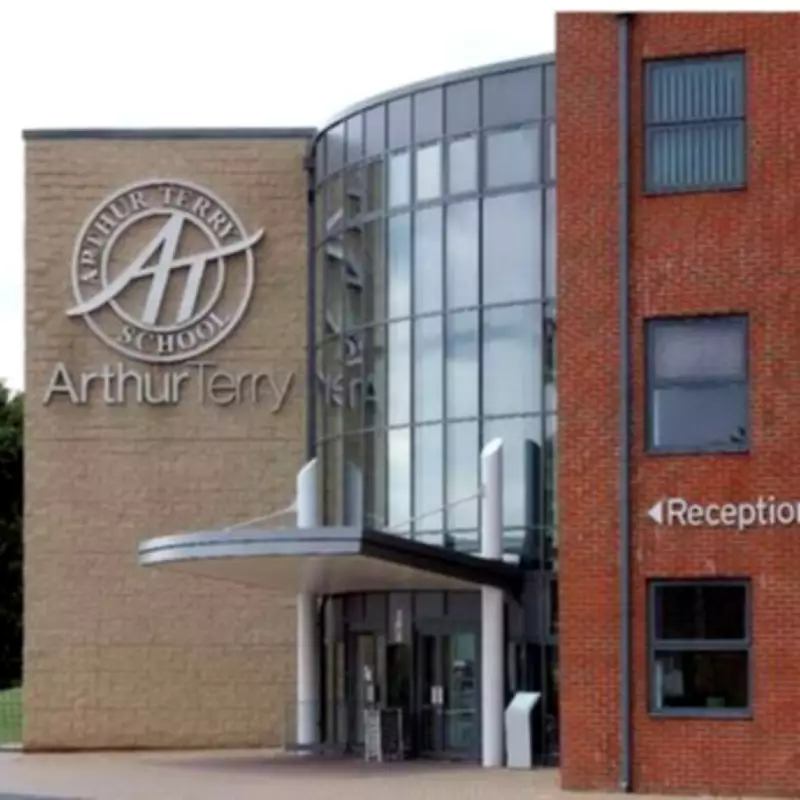
Arthur Terry Learning Partnership Confirms £9 Million Debt Crisis and Recovery Plan
The Arthur Terry Learning Partnership (ATLP), a Birmingham-based schools trust responsible for 24 educational institutions across the West Midlands, has publicly disclosed the severe extent of its financial liabilities. In a recent communication to parents, interim chief executive officer Lee Miller confirmed that the trust ended the last financial year with a deficit approaching £9 million, a figure that is expected to have increased due to an approved in-year deficit for the 2025/26 period.
Financial Pressures and Department for Education Intervention
This multi-million-pound shortfall has prompted significant intervention from the Department for Education (DfE). The trust is currently in receipt of financial cash flow loans from the DfE, understood to be around £4.5 million, which will continue until April of this year. These loans come with stringent conditions, including a critical deadline for the trust to improve its financial position and ensure no further funding is required from April onwards.
Mr Miller, who has stepped into the interim CEO role following the leave of absence of former CEO Richard Gill, emphasised that the DfE has issued a notice to improve and will not provide additional financial assistance. The trust's financial struggles were a primary driver behind previously announced plans to shed a significant number of jobs—rumoured to be over 100 positions—across its six secondary schools, 17 primary schools, and one all-through special school.

Industrial Action and a Pause on Compulsory Redundancies
The proposed job cuts led to industrial action organised by the National Education Union (NEU), with staff walking out for nine days across three weeks in protest. A deal was brokered last week, resulting in the proposed redundancies being paused, a move hailed by the NEU as saving jobs. However, the underlying financial crisis remains unresolved, placing immense pressure on the trust's leadership to find alternative solutions.
A Six-Stage Recovery Plan to Address the Deficit
In lieu of compulsory redundancies, Mr Miller has outlined a comprehensive six-stage plan designed to cut the deficit and repay the DfE loans. This strategy includes:
- Honouring all existing voluntary redundancy requests and reopening a further application period for staff.
- Conducting a detailed review of all non-staffing costs, including a formal assessment of the IT strategy's viability.
- Restructuring all roles and responsibilities held by centrally-funded positions within the trust.
- Implementing a school-based review that links pupil numbers, curriculum models, and workforce needs, benchmarked against sector standards.
- Committing to redeploy staff to avoid compulsory redundancies, particularly through to the end of May, aligning with teacher resignation deadlines.
- Only considering the need to consult on redundancies in June, based on the outcomes of the preceding stages.
Mr Miller stated that any future job cuts, if necessary, would be evidence-based and directly linked to future funding levels and pupil numbers only.
Addressing Educational Impact and Parental Concerns
The industrial action has raised concerns among parents regarding potential educational disruption, especially for pupils in exam years such as Years 6, 11, and 13. In response, the trust has cancelled a teacher training day scheduled for Friday, May 1, which will now be a full teaching day. While comprehensive remote learning was offered during strike days, the trust acknowledged that not all children fully completed this work, which focused on retrieval of existing knowledge rather than new material.
To mitigate the impact, teachers are planning bespoke revision sessions and possible additional lessons beyond normal school hours for exam-year pupils. The trust is also exploring ways to train parents to access additional home learning opportunities, aiming to support student progress during this turbulent period.

Leadership Changes and a Commitment to Transparency
In further developments, current deputy chief financial officer Chris Jones will step up as interim chief financial officer until August 31, suggesting a period of transitional leadership for the trust. Mr Miller has pledged to deliver a more transparent organisation, recognising the need to rebuild trust and confidence among the communities served by ATLP schools.
The trust oversees a wide network of institutions, including secondary schools such as The Arthur Terry School in Sutton Coldfield, The Royal Sutton School, and West Coventry Academy, alongside numerous primary schools and The Bridge Academy, an all-through special school in Lichfield. The coming months will be critical as the trust works to stabilise its finances while safeguarding educational standards and staff welfare across the region.