A Conservative MP and former trauma surgeon has launched a campaign to have emergency life-saving skills, including how to treat catastrophic bleeding from stab wounds, taught to every child in school.
Former surgeon's plea for mandatory emergency training
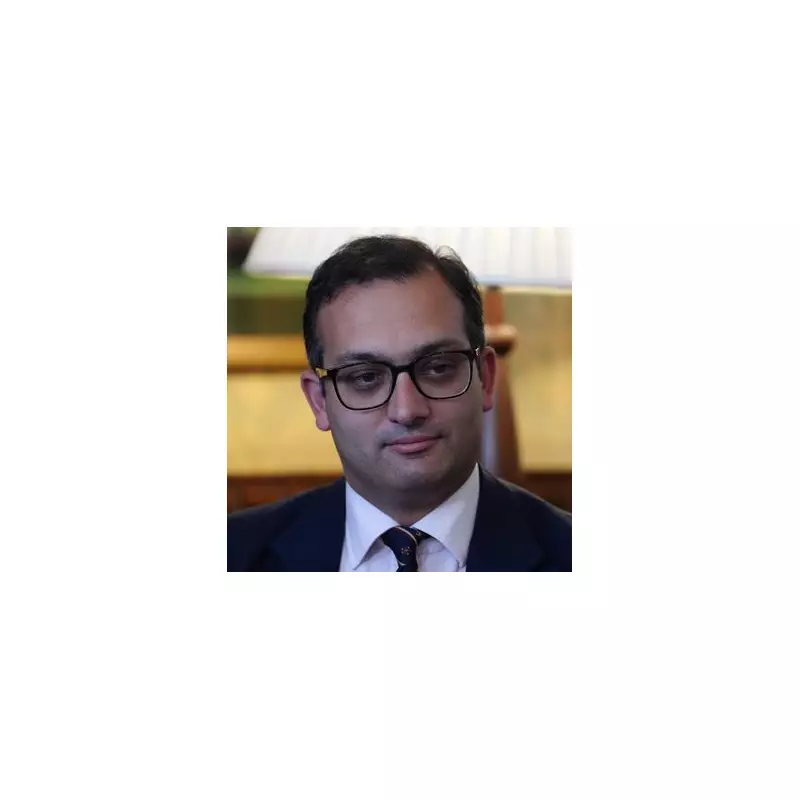
Dr Neil Shastri-Hurst, the MP for Solihull West and Shirley, has warned that too many people are left helpless when faced with a sudden medical emergency. Drawing on his experience working at the major trauma service at Birmingham's Queen Elizabeth Hospital, he said bystanders often lack the basic knowledge to act in the critical moments after incidents like road crashes, stabbings, or terror attacks.
He introduced the Emergency and Life Saving Skills (Schools) Bill in the House of Commons on 13 January 2026. The proposed legislation aims to ensure consistent, age-appropriate training for all young people, teaching them how to recognise an emergency, respond safely, and provide basic assistance until professional help arrives.

What would children be taught?
Under the proposed bill, school lessons and workshops would cover practical skills focused on managing severe, life-threatening bleeding. This would include:
- How to identify catastrophic bleeding.
- The correct application of direct pressure to a wound.
- The safe use of a tourniquet where appropriate.
- How to stabilise a victim and effectively communicate with emergency services.
Crucially, the training would also teach youngsters how to assess risks to their own safety before intervening. "This is not about turning children into paramedics," Dr Shastri-Hurst emphasised. "It is about ensuring that every young person leaves school equipped with a core set of practical, age-appropriate skills."
Addressing a gap in knowledge
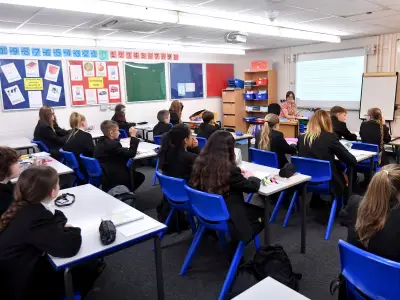
The MP argued that the current education system lacks proper, consistent training in this area. While some children receive first aid instruction, the patchy provision leads to vastly differing levels of ability across the country.
"In those first critical moments, before professional help arrives, outcomes are often determined not by advanced medicine, but by whether those present can recognise what is happening, act decisively, and summon help effectively," he told MPs.
He described the emotional burden on witnesses who want to help but don't know how, stating: "The hardest burden of any of us to carry is not that we tried and failed, but that a life was lost while we stood by. Not through indifference, but through the absence of knowledge this House could have chosen to provide."
Dr Shastri-Hurst, who retrained as a barrister before entering politics, urged fellow MPs to back the bill, calling it a "proportionate" measure that would not overload the school curriculum but would empower a future generation to save lives.