The Growing Crisis in Our Classrooms
In recent weeks, Essex MP Marie Goldman has immersed herself in the pressing issues facing children and education across the county. Her engagements began with a crucial meeting alongside parents and representatives from Essex County Council, focusing specifically on special educational needs and disabilities (SEND) provision.
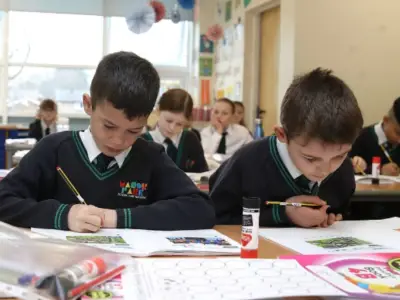
This was swiftly followed by a visit to Newlands Spring Primary School, where she observed bustling lessons and held candid discussions with both pupils and the school's Learning Support Assistants (LSAs).
Unprecedented Pressure on School Staff
The LSAs provided a stark account of their escalating challenges. They detailed how their roles are becoming increasingly difficult due to a surge in children with SEND and the accompanying complexities. Beyond this, they highlighted a worrying shift in parental attitudes towards teachers and schools.

While affirming the importance of parents holding schools to account, the MP emphasised that an increasing number are becoming less respectful and less willing to collaborate on regulating their children's behaviour, creating a more adversarial environment.
A third, critical concern emerged during these talks: the misunderstood and growing dangers posed by smartphones to children's wellbeing.
The Case for a Smartphone Ban
This topic became the central focus of a virtual roundtable discussion in Parliament that Ms Goldman joined just days later. Headteachers from across the UK presented compelling evidence of what they are witnessing in their schools, leading to a powerful consensus: the need for a legal ban on smartphone use in schools.
The debate transcends technology itself, centring instead on educational priorities. Schools are designed as spaces for learning and social growth, yet the glow of a screen frequently eclipses classroom focus. Advocates argue a ban is about reclaiming student attention from the constant distraction of social media platforms like TikTok, which fragments learning.
A ban also addresses social equity, levelling the playing field by removing the status symbols that can define social hierarchies in the lunch hall.
However, the most urgent argument concerns children's mental health. Research consistently links excessive smartphone use to anxiety, depression, and sleep disturbances. The roundtable heard how social media algorithms expose children to vastly different content than their parents see, including graphic pornography, violence, and suicide ideation.
Headteachers reported significant positive impacts on pupil wellbeing after implementing their own bans. Furthermore, the organisation Parentkind confirmed that the vast majority of parents support a ban, particularly for primary-aged children, as it would help them resist peer pressure to buy devices earlier.
While critics may label a ban as draconian, Ms Goldman counters that schools already regulate numerous aspects of student behaviour, from uniforms to attendance. Given the outsized impact of smartphones on concentration and mental health, she finds it difficult to justify their exemption.
Finally, the MP expressed her gratitude to Beaulieu Park School for an invitation to face two hours of grilling from Year 8, the Student Council, and Year 13 students, praising their brilliant and thought-provoking questions.