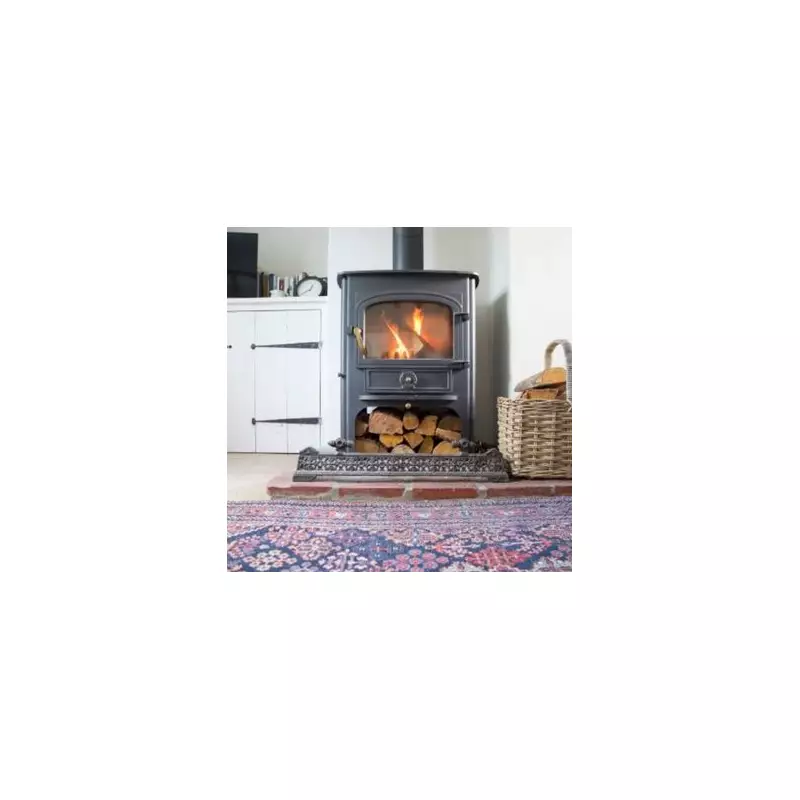
The Labour government is actively considering new measures to restrict the use of wood-burning stoves in UK homes, particularly in urban areas with poor air quality. This follows a formal parliamentary question from Labour MP Bell Ribeiro-Addy to the Department for Environment, Food and Rural Affairs (DEFRA).
Parliamentary Question Highlights Health Concerns
In November, MP Bell Ribeiro-Addy asked the Environment Secretary whether he planned to introduce further restrictions on domestic wood burning in polluted urban areas. The question underscored growing political and scientific concern over the health impacts of particulate matter from stoves.
On December 2, a response was provided on behalf of the government. The reply confirmed that wood burning is a major source of fine particulate matter (PM2.5), especially in towns and cities. It stated: "The Government is currently considering options for reducing the impact of domestic wood burning on people’s health and will consult on measures to reduce emissions from this source."

New Environmental Plan Could Bring Tighter Rules
This parliamentary exchange comes amid reports that the Labour government's forthcoming environmental improvement plan (EIP) will set strict delivery targets for air quality. Environment Secretary Emma Reynolds indicated the plan would align with ambitious EU standards.
Potential measures under consideration could include tighter controls in specific areas, potentially limiting the types of fuel that can be burned to approved 'smokeless' fuels. This would significantly impact households that currently use traditional logs.
Experts Warn of Substantial Health Risks
Health and environmental experts have strongly supported the move towards stricter regulation. Professor Gesche Huebner, from the University of Exeter's European Centre for Environment and Human Health, told the Daily Mail that wood burners release substantial amounts of PM2.5, which harms lungs and hearts.
Dr Alice Wilson of the Royal College of Paediatrics and Child Health (RCPCH) emphasised the lifecycle impact of air pollution. "Air pollution exposure at every stage of the human lifecycle, from gestation right through to adulthood, adversely impacts health," she said.
The RCPCH advocates for phasing out wood burners and raising public awareness. Dr Wilson urged that governments and local authorities must act to protect the most vulnerable people in society, who often have the least power to control their environment.
The government's next steps are expected to involve a public consultation, giving households and industry stakeholders a chance to respond to the proposed crackdown on domestic wood burning.