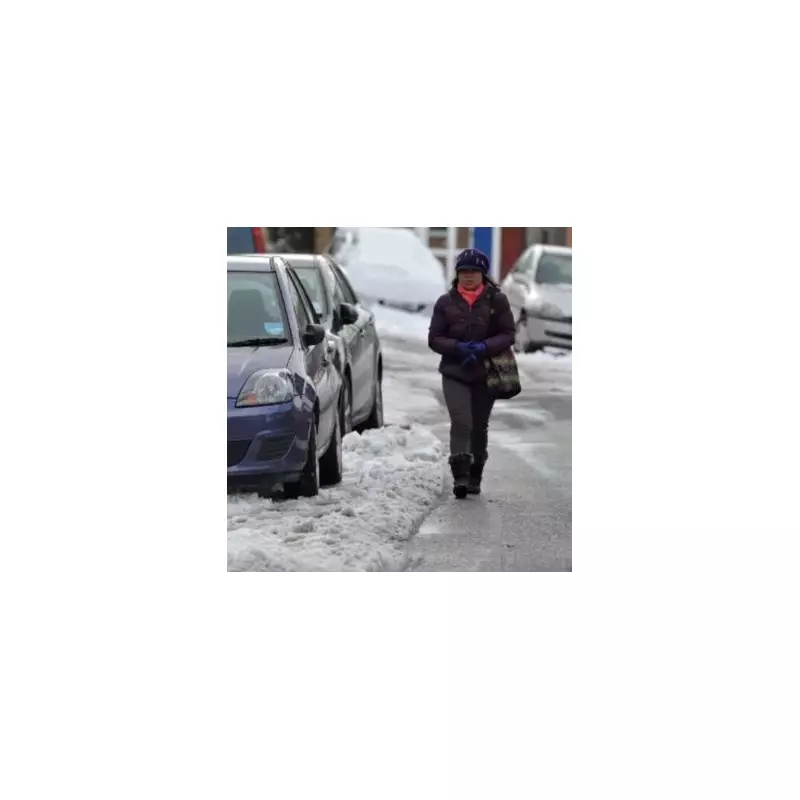
The United Kingdom is on alert for a significant and prolonged cold snap, with meteorologists warning a major snow event could strike from next week and potentially last well into February.
Forecaster Warns of 'Proper Beast' Scenario
Jim Dale, senior meteorologist at British Weather Services, has highlighted a concerning scenario in medium-range forecasting models. He told the Mirror that the UK could face conditions reminiscent of the infamous 'Beast from the East' that crippled the nation in 2018. "One of the scenarios is a 'proper Beast'," Mr Dale stated, pointing to the risk of a similar unique set of circumstances developing.
The forecaster explained the mechanism: cold easterly winds would develop, with weather systems forming over the continent beneath areas of high pressure, before moving across the North Sea towards the UK. This pattern would initially bring snow to eastern counties, including Kent, Norfolk, and Suffolk, before potentially becoming more widespread and entrenched.

Timeline and Potential Duration
Mr Dale indicated that if such an event materialises, it would likely begin around January 21. The severity and length remain uncertain. "If it's a damp squib, it could last a couple of days. But if it's a proper Beast, where we start to get the infiltration of snow, it could well last into the early part of February without a question," he cautioned.
He added that it would not be unusual for such a severe scenario to persist for a week to a week-and-a-half. "The crippling one will be the Beast from the East that stays there and just is continual frost, ice, snow, all the rest of it," Mr Dale warned.
Met Office Outlook and Historical Context
The Met Office's own outlook for the period from January 18 onwards aligns with a trend towards colder conditions. They state: "A gradual trend towards colder conditions is most likely through this period, especially in the south and east. As such, whilst wintry precipitation will be more reserved for hills initially, this may become more likely to lower levels later in the period."
Mr Dale emphasised that the end of January is a prime time for such severe winter weather. "It’s not too late in the winter season by a long stretch," he said. "In fact, the end of January is often the favourite [for these conditions], as last year proved." He concluded with a stark reminder for the public to be aware: "It’s not out of the question that this could happen, and we need to be aware of that."