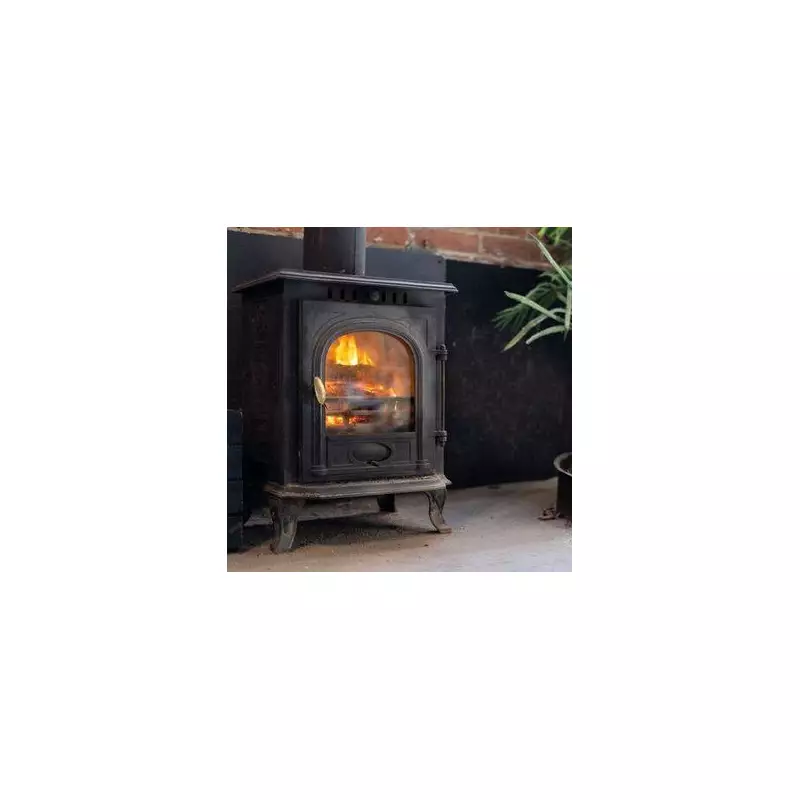
A stark new health warning has been issued over the use of log burners and wood fires in British homes, with research indicating that a ban could prevent thousands of deaths and save the NHS millions of pounds each year.
The Alarming Health and Economic Toll
A report by environmental consultancy Ricardo, commissioned by Global Action Plan and Hertfordshire County Council, has revealed the severe impact of domestic burning. The study found that prohibiting solid fuels like wood in homes could prevent approximately 1,500 deaths annually across the UK.
Furthermore, the research links this form of heating to a range of serious health conditions, including heart disease, lung cancer, strokes, and the worsening of asthma. It is also responsible for an estimated 3,741 new diabetes cases and 1,493 new asthma cases every year.

Why Domestic Burning Is a Major Polluter
The report identifies domestic burning as one of the largest sources of fine particulate matter air pollution in the country. These tiny particles are released into the air and can be absorbed deep into the lungs and bloodstream, causing or aggravating health problems.
Guy Hitchcock, Air Quality Technical Director at Ricardo, explained: "This directly affects individuals in houses where burning takes place, but also neighbours and communities. From an economic perspective, these health issues cost the NHS millions every year and take up significant resource."
Calls for Action and Government Response
The analysis suggests that stopping all 'non-essential' domestic burning of solid fuels would have far greater benefits than simply enforcing existing Smoke Control Area rules. It could slash NHS healthcare costs by up to £54 million annually and avoid a further £164 million in wider economic losses.
Larissa Lockwood, Director of Policy and Campaigns at Global Action Plan, stated: "An open fire or wood burning stove is the most polluting way to heat a home - air pollution from wood burning stoves is cutting lives short, putting people in hospital, and contributing to serious health conditions." She urged the government to strengthen local powers and provide clearer public guidance.
In response, a Government spokesperson highlighted commitments in the NHS 10-Year Plan to reduce emissions from domestic burning and noted that £575 million has been provided since 2018 to help local authorities improve air quality.
However, not all agree with the call for bans. Calvin May, Head of Technical Services at HETAS, which represents solid fuel manufacturers, argued: "We need workable solutions, not blanket bans. The priority must be education, awareness, and better implementation of existing rules."