Wood Burner Users in England Risk Substantial Fines for Smoke Emissions
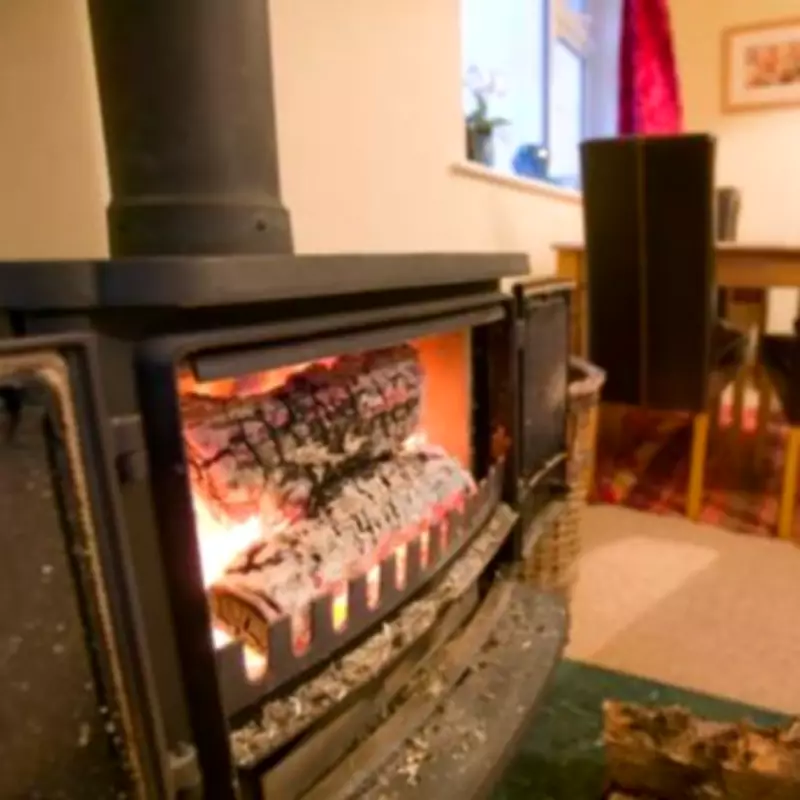
Households across England utilizing wood-burning stoves or open fires now face significant financial penalties, with fines ranging from £175 to £300 for emitting smoke in designated smoke control areas. This regulatory crackdown aims to address the severe air pollution caused by burning wood, which adversely affects the health of millions of residents nationwide.
Rising Popularity and Health Concerns
Open fires and wood-burning stoves have experienced a notable surge in popularity in recent years, often cherished for their aesthetic and traditional appeal. However, the smoke generated from these heating methods contributes substantially to air pollution, posing serious health risks such as respiratory issues, including asthma attacks, and impacting overall public health.
Understanding Smoke Control Areas
A smoke control area is a legally defined region where emitting smoke from a chimney is strictly prohibited. Residents must verify if their locality falls under such regulations by consulting the official smoke control area map provided by the Department for Environment, Food and Rural Affairs (Defra). It is crucial to note that the map data is indicative, and individuals should always confirm with their local authority to ensure compliance.

Financial Penalties and Fuel Restrictions
Violating the smoke emission rules in these areas can result in a financial penalty of between £175 and £300. Additionally, using unauthorized fuels in a smoke control area, unless in an exempt appliance, can lead to fines of up to £1,000. Defra emphasizes the importance of using only approved fuels and appliances to minimize environmental and health impacts.
Defra's Exempted Stoves and Recommendations
Defra has certified a range of exempted stoves, including wood-burning and multi-fuel models, which have undergone rigorous testing to demonstrate low smoke emissions when operated according to manufacturer instructions and with recommended fuels. To further reduce pollution, Defra urges households to:
- Consider the necessity of lighting fires and reduce fuel usage.
- Avoid burning if the home is already adequately warm, as this lowers costs and environmental impact.
- Employ efficient burning practices to decrease air pollution and protect community health.
Maintenance and Safety Advice
Regular maintenance is essential for safe operation. Soot accumulation in chimneys can reduce efficiency and increase the risk of chimney fires. Defra advises hiring a qualified chimney sweep who can provide guidance on optimal burning practices, such as avoiding slumbering stoves overnight, to ensure both safety and compliance with regulations.
By adhering to these guidelines, households can help mitigate air pollution, safeguard public health, and avoid costly fines, contributing to a cleaner and healthier environment for all.