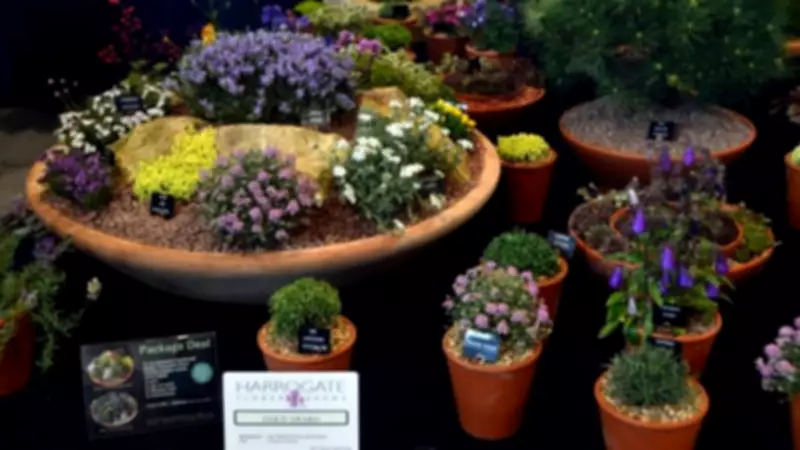
Alpines: The Hardy, Low-Maintenance Alternative to Spring Annuals
As spring planting season approaches, many gardeners turn to colourful annuals like pansies and primroses for pots and containers. However, if you're seeking a more durable and low-maintenance option, alpines present an excellent alternative. These plants are not only long-lasting but also offer year-round architectural interest, making them a standout choice for container gardening.
Why Choose Alpines?
Alpines are incredibly diverse, ranging from succulent sempervivums to delicate saxifrages. Native to harsh, rocky mountain environments, they are genetically programmed to be tough, compact, and self-sufficient. This makes them ideal for gardeners who tend to forget watering, as alpines thrive with minimal care. Most varieties can withstand temperatures as low as -10°C to -15°C, eliminating the need to move pots indoors during winter.
Selecting the Right Container
Alpines have shallow root systems, so they don't require deep, heavy pots. This flexibility allows for creative container choices, from teacups to Belfast sinks. Lauren Fear, an alpine specialist at RHS Harlow Carr, suggests sourcing traditional containers from salvage yards or reclamation yards, where you can find troughs up to 7ft long. Garden centres often offer lighter composite or plastic options. To enhance visual appeal, consider adding a top dressing of limestone fragments, pebbles, or tinted glass chips.

Essential Growing Tips
Raise Them Up: Ensure containers are elevated on bricks or props to improve drainage and viewing height, as many troughs lack feet.
Growing Medium: Use a mix of 50% peat-free John Innes No 2 and 50% horticultural grit for plants in sunny spots. While alpines do well in poor soil, a well-diluted feed in summer can benefit older plants in troughs where compost has lost freshness.
Location Considerations: Different alpines have varying light and heat requirements. For sunny locations, opt for heat-tolerant varieties like Pulsatilla vulgaris (Pasque flower). Sempervivums, such as Sempervivum arachnoideum (cobweb houseleek), are particularly hardy. In shadier, woodland-like areas, underplant alpines with dainty bulbs like snowdrops or dwarf narcissi, or try autumn-flowering acis for extended season interest.
Design and Maintenance
Incorporate rocks to create strata and miniature landscapes in troughs, using small plants that can establish themselves effectively. Options include tight campanulas, cushion-type plants like armeria (sea thrift), fragrant creeping thyme, and miniature hostas. For added height, consider miniature rhododendrons or pines. Avoid overwatering, as this is the primary way to harm alpines; water sparingly, typically once a week or every two weeks in summer, and not at all during wet winter periods. Watch for issues like botrytis (grey mould) and remove affected leaves promptly.
Final Thoughts
Alpines offer a resilient and visually appealing alternative to traditional spring annuals. With their ability to thrive in tough conditions and minimal maintenance needs, they are perfect for creating eye-catching container displays that last throughout the seasons. By following these tips, gardeners can enjoy a vibrant and low-effort garden addition.