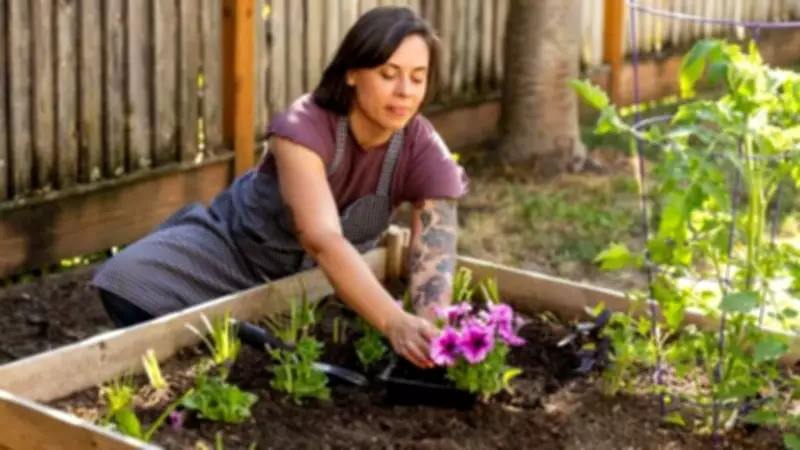
Why Raised Garden Beds Are a Gardener's Best Friend
Gardening in the ground often means contending with whatever soil nature provides, whether it's heavy clay that clumps together or sandy soil that drains too quickly. Raised beds offer a practical solution by allowing you to fill them with a custom blend of nutrient-rich compost and topsoil, creating an ideal environment for plants. Starting with fresh soil and a cardboard base also helps suppress weeds that lurk beneath the surface, reducing maintenance efforts.
Beyond soil control, raised beds provide ergonomic benefits by minimising the need for bending, which can alleviate strain on the back and knees. They are available in various materials, such as wood or powder-coated metal, and can be easily assembled or built from scratch using repurposed items like timber or old scaffold boards. However, purchasing large amounts of compost and soil can be costly, leading many gardeners to adopt the innovative 'lasagne' method.
The 'Lasagne' Method: A Layered Approach to Gardening
This technique uses free organic waste to fill the bottom two-thirds of a raised bed, which decomposes over time into rich compost that feeds plants and retains moisture. For a bed about 30 centimetres deep, follow these layers, adjusting quantities if the bed is deeper.

- Layer 1 - The Grass Killer: Use flattened cardboard or five to ten sheets of newspaper to smother underlying grass and weeds. Overlap edges by at least 10 centimetres and soak with water to prevent gaps.
- Layer 2 - The Bulk: Add old logs, twigs, and tree cuttings to a height of 7.5 to 12.5 centimetres. This layer saves on soil costs and improves long-term drainage.
- Layer 3 - The Fuel (Green Waste): Incorporate fresh grass clippings, green leaves, and kitchen scraps to a depth of 5 to 7.5 centimetres. This initiates composting and provides quick nutrients.
- Layer 4 - The Sponge (Brown Waste): Layer dried autumn leaves and shredded brown paper to a similar depth, balancing the green waste to prevent odours and enhance moisture retention.
- Layer 5 - The Growing Zone: Top with at least 15 to 20 centimetres of high-quality garden soil or a mix of topsoil, well-rotted manure, leafmould, or compost for optimal plant growth.
If the bed has a base, omit the grass killer layer but ensure it is elevated with drainage holes to avoid waterlogging. This method not only cuts expenses but also promotes sustainable gardening by recycling organic materials.
Popular Raised Bed Options for Every Gardener
For those preferring ready-made solutions, several affordable raised beds are available. The Outsunny Green Square Galvanised Steel Raised Bed, priced from £31.99, measures 120 by 120 by 30 centimetres and features a modular design. Alternatively, the Living and Home Green Oval Galvanized Steel Planter starts at £39.99, with three sizes all 42 centimetres deep and corrosion-resistant construction.
Wooden options include the Zest Narrow Sleeper Raised Bed at £169, made from pressure-treated softwood with a stylish trim, and the Argos Home Wooden Rectangle Outdoor Planter for £25, which includes drainage holes. For added functionality, the Outsunny Raised Garden Bed With Legs And Storage Shelf, reduced to £51.84, offers a two-tier design with a shelf for tools. Prices are accurate at publication, providing versatile choices to suit different gardening needs and budgets.