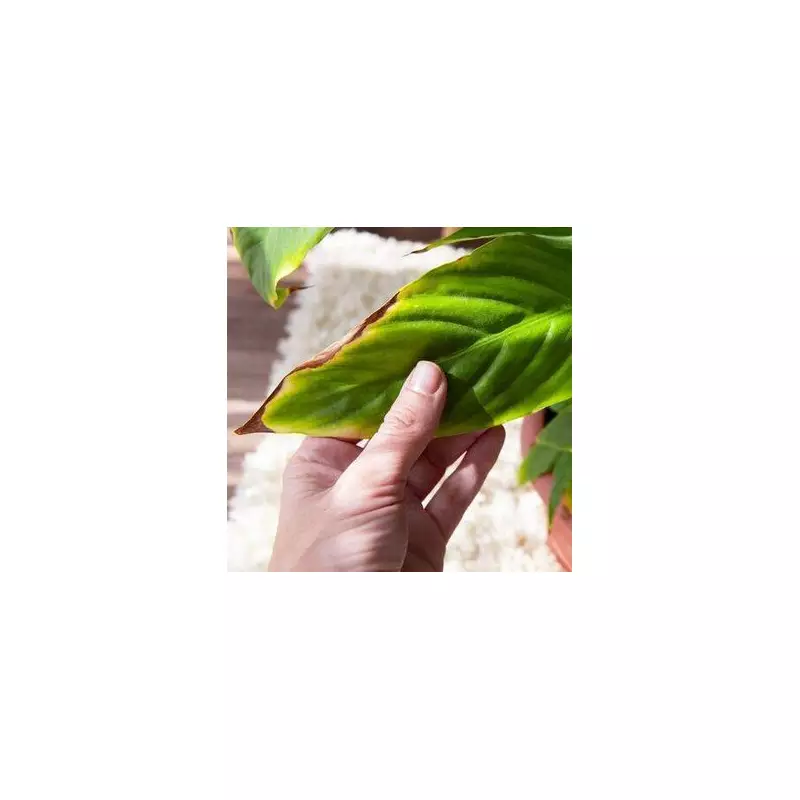
If you've noticed unsightly brown leaves developing on your cherished indoor plants, a gardening specialist has revealed that reaching for the watering can might not be the solution you need.
Álvaro Pedrera, a gardening expert who shares advice through his TikTok profile @ypikue, explains that atmospheric conditions and lighting play crucial roles in plant health that many plant owners overlook.
The real culprit behind brown leaves
Arid air stands as a primary factor in brown leaf development, particularly during winter months when central heating systems operate continuously in British homes. This dry environment affects leaf surfaces directly, causing desiccation that begins at the leaf margins.

Pedrera clarifies the misconception many plant owners share: "If your plants have brown leaves, it's not because they're not being watered." He emphasises that insufficient ambient moisture causes plant tissue to deteriorate even when the plant receives adequate water through its root system.
The consequences of low humidity extend beyond simple browning, manifesting as dried leaf tips, noticeable leaf curling, and significantly reduced growth patterns in affected plants.
Practical solutions to boost humidity
The gardening professional recommends several effective methods to increase moisture levels around your plants:
Cluster your plants together - positioning them in close proximity creates a beneficial microenvironment that better retains natural dampness.
Consider electric humidifiers - these devices prove particularly valuable in properties with continuous heating systems or naturally arid conditions.
Employ water dishes with stones - place a container filled with water and stones near your plants, ensuring the plant pot itself doesn't contact the water directly. The evaporation process naturally enhances atmospheric moisture.
Pedrera also suggests occasional misting for plant species that tolerate leaf wetness, though he cautions that this approach might encourage fungal growth in some varieties.
Beyond humidity: Other factors to consider
While humidity issues frequently cause brown leaves, improper watering habits continue to play a significant role in plant health. Overwatering typically causes leaves to drop unexpectedly, while insufficient watering leads to overall dryness and brittleness.
Lighting conditions equally demand attention, as excessive direct sunlight often results in distinct brown spots on leaves, while insufficient light exposure typically causes leaves to turn yellowish before browning.
For British plant enthusiasts noticing brown leaves, Pedrera recommends this systematic approach:
Examine the substrate and drainage system - the soil should remain fresh rather than compacted or waterlogged.
Assess light exposure carefully and identify the most suitable location for each plant species.
Evaluate temperature and ventilation conditions, noting that drafts or excessive heat can upset the plant's delicate balance.
In less severe cases, simply pruning the damaged leaves allows the plant to redirect energy toward new growth. For extensive damage, adjusting watering routines, lighting conditions, and humidity levels becomes necessary.
It's important to remember that some leaf browning forms part of a plant's natural life cycle. Lower leaves often dry and fall off as they age, representing normal growth processes rather than indicating health problems.