Unlocking the Potential of Old Seeds: Expert Gardening Advice
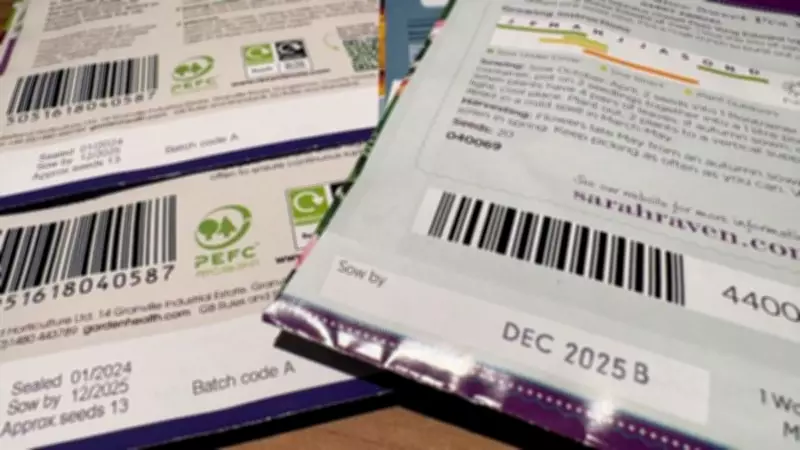
Over the years, many gardeners accumulate a substantial collection of seeds. Some were purchased impulsively, others were set aside in favor of different varieties, and leftover part-packets often feel too wasteful to discard. Additionally, seeds carefully harvested from the garden add to this stash. However, seeds do not remain viable indefinitely, and commercial packets typically include a recommended sowing date. Numerous gardeners question whether it is safe to use seeds past this date, prompting PA's Hannah Stephenson to consult gardening specialists for guidance.
Seed Viability and Germination Rates
"Seed packets are merely guidelines. Ultimately, a seed either possesses the desire to grow or it does not," explains Huw Richards, a gardening influencer with a YouTube channel boasting over 750,000 subscribers. Nevertheless, germination rates inevitably decline over time, and plants grown from older seeds may lack the vigor of those from fresh seeds. Not all vegetable seeds share the same shelf life; some endure longer than others, influenced by storage conditions. Generally, cucumbers, tomatoes, pumpkins, and radishes can remain usable for more than five years, whereas onions, spinach, and parsley often lose viability within one or two years.
Practical Tips for Using Out-of-Date Seeds
Matthew Appleby, editor of Horticulture Week, reports reasonably successful outcomes with expired seeds, though he describes the process as somewhat unpredictable. "They can indeed work. It is akin to a sell-by date on supermarket packaging, existing primarily for safety rather than strict practicality," he notes. To mitigate risk, experts recommend sowing multiple seeds to enhance success chances. "If you possess a surplus of seeds, simply sow four or five in a pot. If any sprout, you will realize there is still life in that seed packet," advises Richards.

Testing Seed Viability and Proper Storage
Conducting a germination test before planting is a prudent step. The heirloom seed company She Grows Veg suggests placing a few seeds between moist paper towels, maintaining warmth, and monitoring for sprouting. If most seeds germinate, they are worth cultivating. Proper storage is crucial for preserving seed viability, especially after opening a packet. Some packets are resealable; otherwise, use a clip or tape and store them in a cool, dry, dark location, recommends Appleby.
Richards proposes, "I would advise placing them into an old ice cream tub with a lid." Adding a desiccant like rice can absorb excess moisture and prevent rotting. Alternatively, an airtight glass jar serves as an effective storage solution. Regarding success likelihood after opening, Appleby clarifies, "Theoretically, it diminishes, but it also heavily depends on the gardener's skill in sowing, utilizing appropriate temperature, potting medium, and water."
Recommended Seeds for March Sowing
For those planning March plantings, consider these options: Outdoor sowing includes RHS award-winning Beetroot 'Boltardy' seeds, a reliable bolt-resistant variety ideal for early sowings. Broad Bean 'The Sutton' seeds can be sown in both spring and autumn for abundant harvests. Spinach 'Perpetual' seeds are an excellent choice for summer and winter cultivation, suitable for beginners. Indoor sowing options feature the Pronto Seed Herb Bumper Pack, containing 24 varieties across four collections: Aromatic, Mediterranean, Garden, and Classic. Please note that prices are accurate at publication time and this article includes affiliate links.