Birmingham Sewer Workers Reveal Shocking Finds: From Guns to a Whole Horse
Deep beneath the bustling streets of Birmingham lies a hidden world of sewers and pipes, carrying away not just wastewater but a bizarre array of items that residents have mistakenly or mischievously flushed down drains. While this underground network remains out of sight for most, it becomes starkly visible at the Minworth Sewage Treatment Works on the city's outskirts, where all sewage is processed.
Severn Trent, the company responsible for maintaining the region's sewage system, strongly advises households to adhere to the three Ps rule: only flush poo, pee, and paper down toilets. Despite this guidance, inappropriate items frequently end up in the sewers, creating a growing and costly problem for the city.
Daily Battle Against Waste: 15 Tonnes of Rag Removed
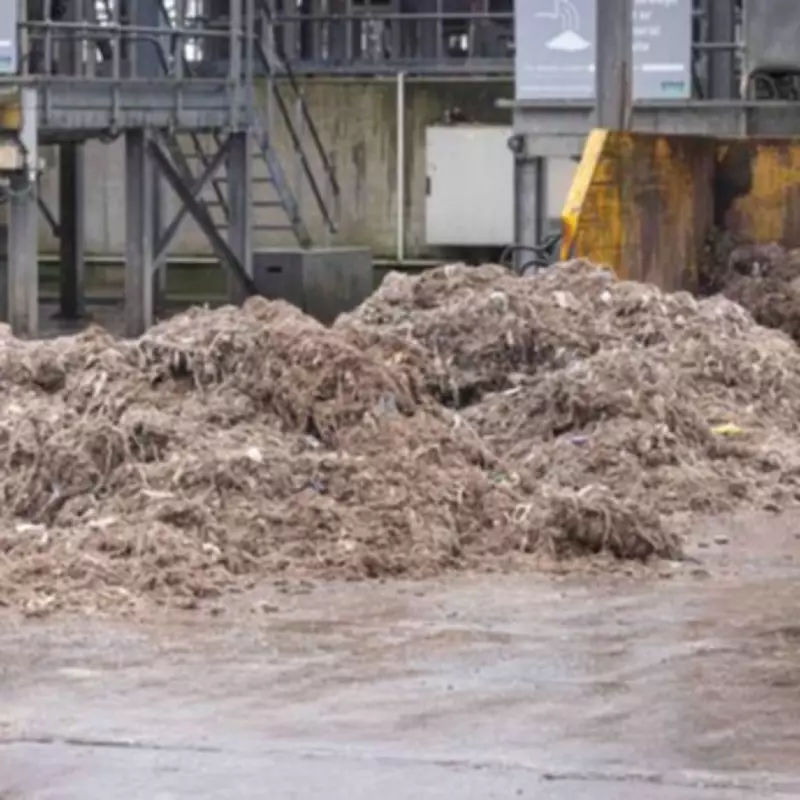
The primary offender in Birmingham's sewers is 'rag,' a term referring to baby wipes and other sanitary products. Astonishingly, around 15 tonnes of these materials are extracted from the system every single day at the Minworth facility. However, workers encounter far more unusual objects that have been washed down drains over the years.

Grant Mitchell, 55, the blockage lead at Severn Trent, shared some of the most shocking discoveries. "There's been a whole horse before," he revealed. "We've had guns and knives, which we've passed on to the police. Motorbike parts, lorry tyres, a Christmas tree, a shed." These items contribute to the approximately 30,000 blockages that occur annually across the West Midlands sewage network.
Fatbergs and Fast-Food Fats: A Greasy Menace
Beyond solid waste, another significant issue is 'FOG'—fats, oils, and grease—which often originates from fast-food restaurants. Philip Powell, a 66-year-old senior technician, noted, "Every high street in Birmingham has got at least one." When these substances are poured down drains, they congeal into massive 'fatbergs' that clog sewer pipes.
When asked about the largest fatberg he has encountered in Birmingham, Grant Mitchell explained, "(Big ones) take years to form, we're trying to clear them all the time. Generally, there aren't too many of them because we are so good at clearing them. It's the small stuff, the 30,000 ones a year, that we can't stop." This highlights the ongoing challenge of preventing minor blockages that accumulate into major disruptions.
The relentless efforts of sewage workers are crucial in keeping Birmingham's infrastructure flowing smoothly, but public awareness and adherence to proper disposal practices are essential to reduce the strain on this vital system.