Liverpool's Journey from Litter Festival to Modern Metropolis
In the mid-1990s, American author Bill Bryson visited Liverpool and famously described it as hosting a "festival of litter," with rubbish fluttering in bushes and coloring pavements. For locals, this stinging critique highlighted a city in transition, grappling with unemployment, poor housing, and industrial disputes.
Today, Liverpool has undergone a remarkable transformation. Its bright, modern center now bustles with international tourists, and the era of widespread litter appears largely over. However, the issue persists in quieter corners, as recent experiences in local green spaces reveal.
The Persistent Problem of Fly-Tipping
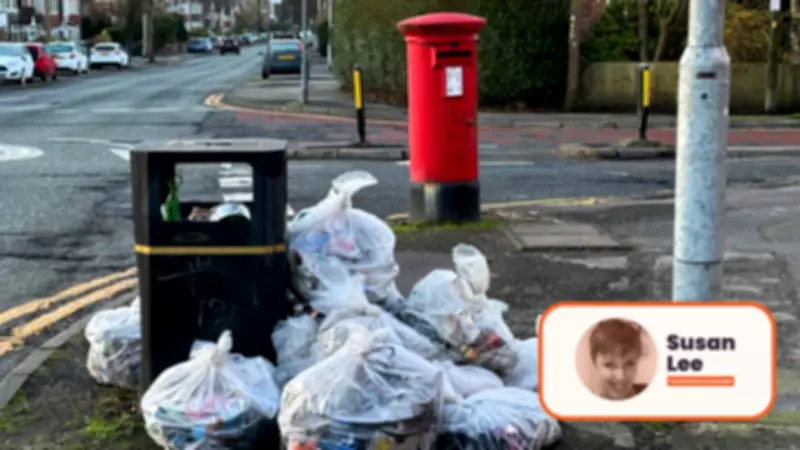
Last week, a small patch of greenery near residential areas—once a peaceful retreat with trees, daffodils, and dog walkers—was found strewn with rubbish. Old bottles, tin cans, discarded newspaper, and ripped plastic littered the footpath and branches, traced back to dumped black bin bags torn open by animals or weather.

This incident underscores a broader national issue: fly-tipping. Often associated with builders' waste or old mattresses, it encompasses any illegally dumped rubbish, including household waste. With 1.26 million incidents reported last year alone, it's a crime that demands urgent action.
Government Crackdown on Waste Crime
The government's new Waste Crime Action Plan promises a serious crackdown. Key measures include offender "clean-up squads," tougher enforcement powers, enhanced monitoring, and potential naming and shaming on social media. This major investment aims to curb the environmental and social damage caused by fly-tipping.
For the plan to succeed, local councils must implement it rigorously. This means imposing fines, enforcing zero-tolerance policies, and publicly calling out offenders. Failure to do so would be, quite literally, garbage.
A Personal Reflection on Value and Charity
In a lighter aside, the article touches on a charity shop encounter. A vintage designer handbag, spotted for just £8, was significantly underpriced. Despite attempts to alert the shop staff, the price remained unchanged, raising questions about whether charities adequately assess incoming stock. This oversight could mean missed opportunities for fundraising, as such items could be sold for higher profits.
Susan Lee, a journalist with over 35 years of experience, brings this story to life, blending personal anecdotes with broader environmental concerns. Her work reminds us that while cities like Liverpool have come far, vigilance against issues like fly-tipping is essential to preserve their hard-won progress.