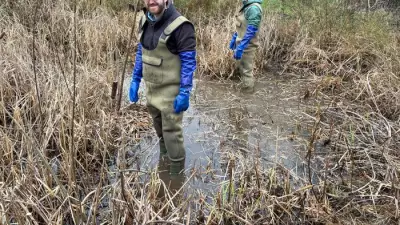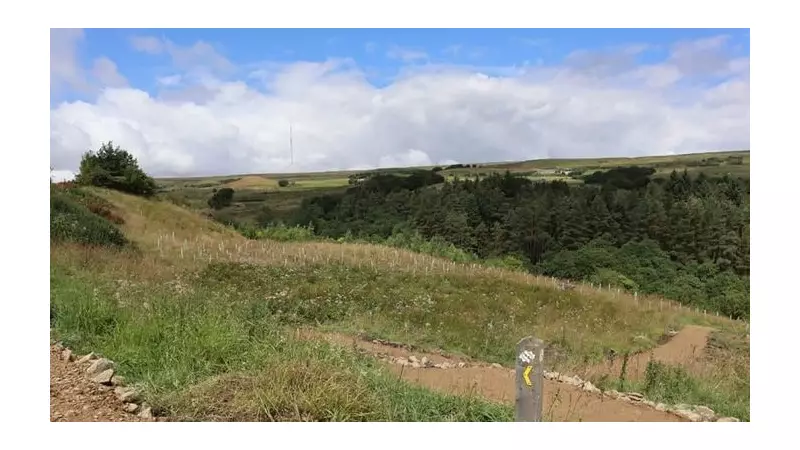
An ambitious project is transforming the ancient woodlands of the Smithills Estate in Bolton, Greater Manchester, this autumn, creating a vital haven for nature near the city's urban heart.
Breathing New Life into Ancient Woodlands
Funded by the Government’s Species Survival Fund, this crucial work on the largest Woodland Trust site in England focuses on restoring the delicate ecology of these historic woods. The project involves the careful thinning of non-native trees to allow more vital light to reach the woodland floor.
This increased sunlight is essential for allowing precious ground flora to recover and for diversifying the canopy with native species like oak, birch, and rowan. The method is precise; trees are selected for thinning either by ring barking or by removing their upper branches (crowns), a technique chosen to provide the most benefit to the overall woodland structure.

Creating a Sanctuary for Wildlife
The standing tree trunks that remain are not wasted. They form an incredibly valuable standing deadwood habitat, which will support a rich ecosystem of fungi, woodpeckers, bats, and Saproxylic beetles.
Oliver Stainthorpe, site manager for the Smithills Estate, shared his personal connection to the project. "For me, growing up near Smithills, these woods were a magical, irreplaceable part of my childhood," he said. "This restoration is more than just forestry; it’s about honouring the land’s history, connecting habitats and fighting to save our most threatened species."
The fate of such ancient woodlands is of global significance, as they are home to more threatened species than any other UK habitat. Alarmingly, around 40 per cent of what remains has been converted to Plantations on Ancient Woodland Sites (PAWS), threatening rare temperate rainforests.
A Community Resource for Greater Manchester
The Smithills Estate is a jewel in Greater Manchester's landscape, offering a spectacular mix of grassland, moorland, wooded cloughs, and bog. Alongside the restoration work, the estate is being revitalised with the planting of 180,000 native trees and extensive conservation projects.
The Woodland Trust is actively encouraging local people to get involved through volunteering opportunities and a dedicated youth engagement program, ensuring this beacon of hope continues to thrive for generations to come.