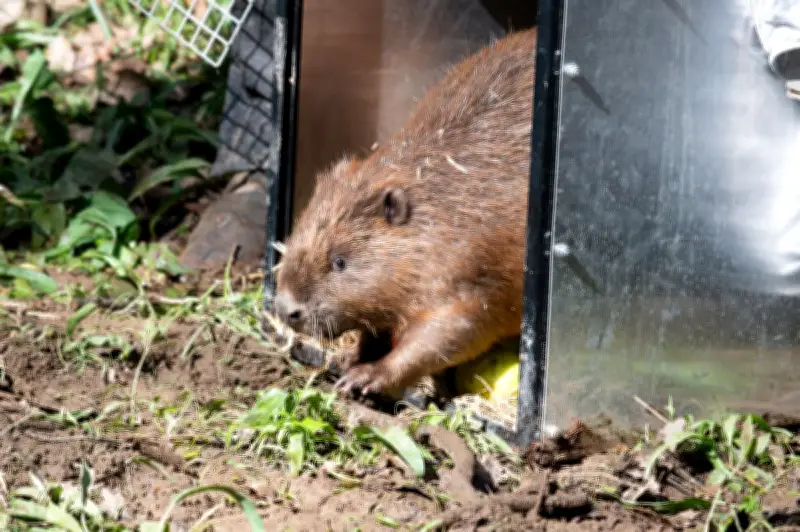
Two new beaver kits have been born in a West Midlands forest, marking a significant milestone for the region's beaver reintroduction project. The births bring the total beaver population in the Forest of Dean to 10, following the release of a family of four in 2022.
Beaver Reintroduction Success
The project, led by the Forestry Commission and local conservation groups, aims to restore the species to its native habitat after centuries of absence. Beavers were hunted to extinction in the UK in the 16th century for their fur and castoreum. The new kits were discovered by wildlife rangers during a routine monitoring survey, confirming that the adult pair has successfully bred.
According to the Forestry Commission, the beavers have already begun to reshape the landscape by building dams and creating wetlands, which benefit other wildlife. The project is part of a wider national effort to reintroduce beavers to boost biodiversity and natural flood management.

Impact on Ecosystem
Beavers are considered a keystone species because their dam-building activities create ponds and wetlands that support a variety of plants, fish, insects, and birds. In the Forest of Dean, the beavers have already created several ponds that are now home to dragonflies and amphibians. The new kits are expected to help expand the wetland area further.
“The arrival of the kits is a fantastic sign that the beavers are thriving in their new environment,” said a spokesperson for the Forestry Commission. “They are already making a positive impact on the local ecosystem, and we hope to see further benefits as the population grows.”
Community and Visitor Engagement
The project has also attracted public interest, with guided walks and viewing platforms allowing visitors to observe the beavers without disturbing them. Local schools have incorporated the reintroduction into their curriculum, teaching children about conservation and the role of beavers in the ecosystem.
However, the Forestry Commission advises visitors to keep a safe distance and not to feed the beavers, as human interference can disrupt their natural behavior. The beavers are monitored via GPS tracking and regular surveys to ensure their health and safety.
Future Plans
Conservationists hope that the successful breeding will lead to more releases in the future, potentially expanding the beaver population to other suitable sites in the West Midlands. The project also aims to demonstrate how beavers can be used as a natural solution to flooding, reducing the need for expensive flood defenses.
The Forestry Commission is working with local landowners and farmers to address any potential conflicts, such as damage to trees or crops. “We are committed to working with the community to ensure the beaver reintroduction is a success for both wildlife and people,” the spokesperson added.