In a national effort to safeguard Britain's horticultural heritage, Castle Bromwich Hall Gardens has become a key participant in a country-wide 'seed relay' organised by the Heritage Seed Library.
Celebrating 50 Years of Seed Conservation
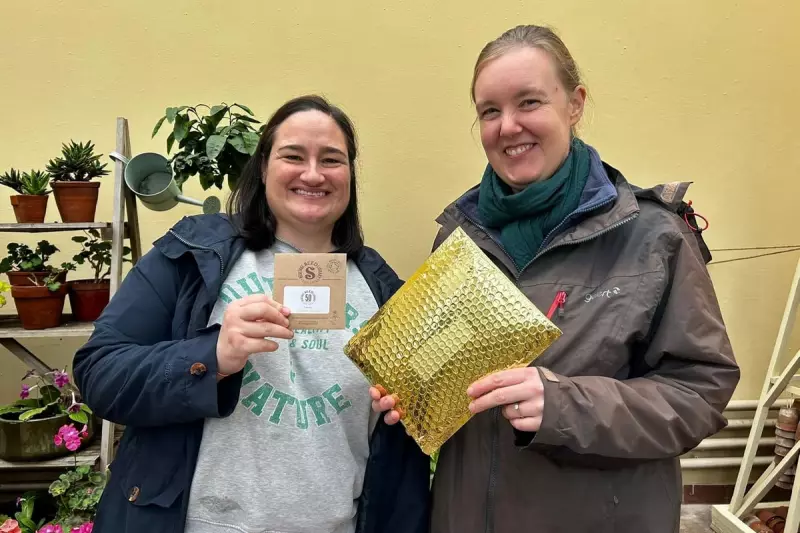
The Heritage Seed Library (HSL), based at Warwickshire charity Garden Organic, is marking its 50th anniversary with this unique initiative. The historic 18th-century gardens in Castle Bromwich have embraced the project, committing to grow the heritage tomato variety Golden Grape using entirely organic, peat-free methods.
Head gardener Denise Seckham and assistant gardener Tanya Upton, both experienced Seed Guardians for the HSL, will oversee the cultivation. "We've chosen the tomato Golden Grape as we've grown tomatoes in previous years," explained Denise. "We can use these lovely tomatoes to make chutney which we can sell to our visitors."

The National Relay Journey
The seed relay represents a monumental effort in biodiversity conservation. The first stage began in Bocking, Essex, where the HSL was originally founded by Garden Organic pioneer Lawrence D Hills. From there, the precious heritage seeds have travelled more than 180 miles across England, being shared among key individuals, organisations and communities.
This initial phase will conclude on 3rd December when the seed parcel returns to Garden Organic's Ryton gardens. The relay will continue through Scotland and Wales in 2026, culminating with a special celebration in Ireland.
Why Seed Conservation Matters Now
Against the backdrop of a changing climate and declining pollinator populations, the work of the Heritage Seed Library has never been more critical for UK food security. As the only living library of heritage vegetables in the UK, the HSL conserves food crops by sharing precious seeds with gardeners and communities.
Fiona Taylor, CEO of Garden Organic, emphasised the importance: "The Heritage Seed Library conserves seed by sharing it, and this work is a continual relay between places and generations to ensure the survival of heritage vegetables. Passing seed on to be grown by friends, neighbours and future generations is a simple action that gardeners and growers can take to ensure our food crops adapt to climate change."
Assistant gardener Tanya Upton highlighted their commitment: "We love the Heritage Seed Library and think it is really important to celebrate its 50th anniversary. It helps us engage with our audience and get the message out there about the importance of saving seeds and growing organically."
Through this collaborative effort, heritage seeds become more resilient and better adapted to local conditions and climate challenges, ensuring the future of homegrown food crops for generations to come.