Coventry City Council has given its official approval to an ambitious environmental project that will see a disused golf course transformed into the largest nature reserve in the West Midlands region.
From Fairways to Wetlands: The Brandon Wood Vision
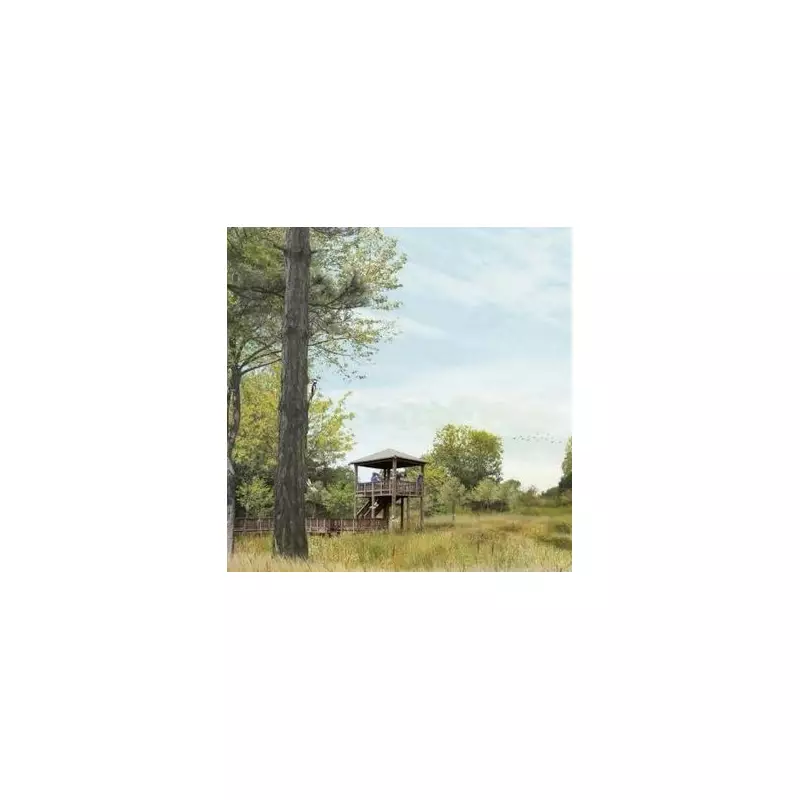
Council cabinet members this week backed plans for the 64-hectare site of the former Brandon Wood Golf Course, which closed in 2020. The project will create a vast new wildlife haven adjacent to the existing Brandon Marshes.
Once complete, the new reserve will not only be the largest in the West Midlands but also the closest such site to any major city centre in England. Both areas will be managed by the Warwickshire Wildlife Trust, ensuring expert conservation oversight.

Funding a 30-Year Future for Nature
The scheme is a central pillar of Coventry City Council's climate change strategy, specifically its '30 by 30' target. This aims to conserve and manage 30 per cent of the city's land and inland waters by the year 2030. Currently, the figure stands at just 11 per cent.
Cllr Jim O'Boyle, Cabinet Member for Jobs, Regeneration and Climate Change, explained the innovative funding model. "It will be funded using something known as biodiversity net gain (BNG) credits which were introduced by the government in 2024," he said. "The plans we have here would see this site funded for 30 years."
Accessibility and a Broader Green Ambition
Ensuring the site is accessible to all residents is a key priority. Cllr Patricia Hetherton, Cabinet Member for City Services, gave assurances that the reserve would be reachable by bus and other means, not just private vehicles.
She also highlighted the council's wider environmental work, pointing to projects like the Coundon Wedge and the Arboretum on London Road, where historical tree species are being reintroduced. "Let's show what is going on in our city because there is so much good work going on," she urged.
The plans received cross-party support. Conservative leader Cllr Gary Ridley commended the solution, noting the golf course had been a problematic site for two decades. He encouraged the council to use the BNG model elsewhere, suggesting Coundon Wedge as a prime candidate to end development speculation by becoming a reserve.
This landmark decision marks a significant step for urban conservation in the UK, repurposing a struggling sports facility into a long-term, funded asset for both wildlife and the community.