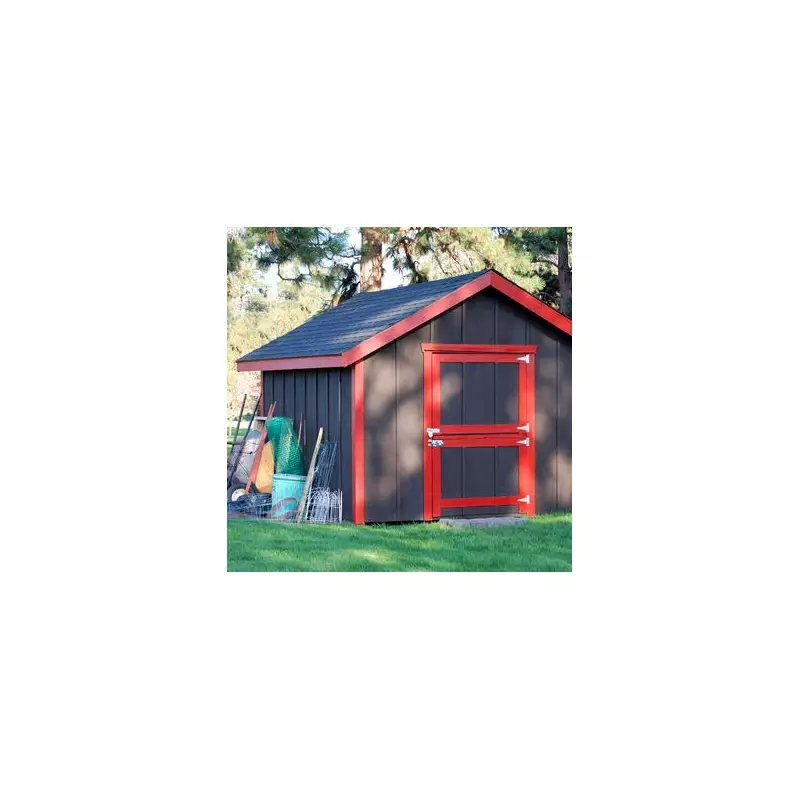
Households across the United Kingdom have been issued with a stark legal warning concerning a common garden product found in many sheds and greenhouses.
The warning specifically targets slug pellets containing the chemical metaldehyde, which became illegal to use, store, supply, or sell in Great Britain following a law change in 2022.
The Banned Product and What to Do
Gardeners are being urged to immediately check their storage areas for any remaining stocks of the distinctive little blue tablets. If the product contains metaldehyde, it must be safely disposed of.

It is not just a matter of avoiding use; simply storing these pellets is now against the law. Furthermore, the public is being encouraged to report any retailers or sellers still offering metaldehyde-based slug pellets to their local council.
Why the Ban Was Implemented
The government's decision to outlaw these pellets was driven by significant environmental concerns. Metaldehyde is not only toxic to slugs and snails but also poses a severe threat to wildlife, particularly birds and hedgehogs.
The danger occurs through the food chain. When slug predators, such as the increasingly endangered hedgehog, consume slugs that have ingested the poison, they too can be killed by accident.
As explained by the campaign group Hedgehog Street: "Metaldehyde is a molluscicide, meaning it is used to eradicate slugs and snails, usually from gardens and farmland. The substance can however also cause harm to birds and mammals through direct ingestion or consumption of contaminated molluscs."
The group welcomed the ban, stating: "Although slugs don't form a large part of a hedgehog's natural diet, the effects of this product have long been a concern. We therefore welcome this change and continue to encourage organic gardening."
Moving Forward Safely
This legal warning serves as a critical reminder for all gardeners to review their pest control methods and ensure they are both legal and environmentally safe. With the ban now in effect for three years, possessing these products carries legal consequences and continues to threaten vital British wildlife.