English Longhorn Cattle Return to Birkdale for Vital Winter Conservation Grazing
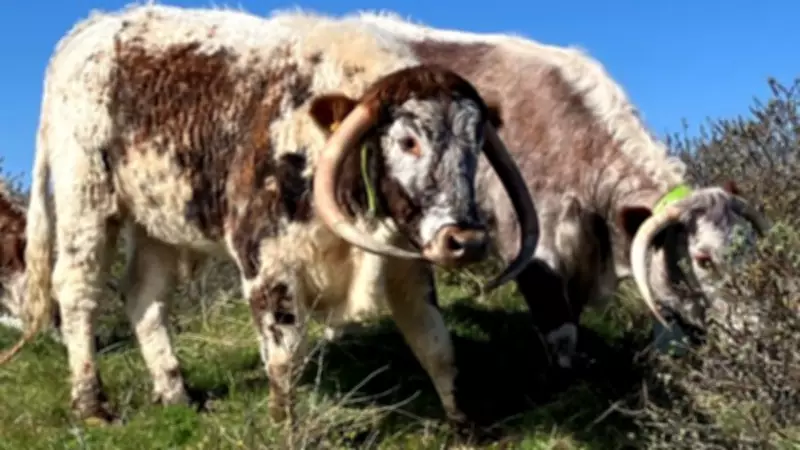
The iconic English Longhorn cattle, a cornerstone of Green Sefton's winter conservation grazing programme, have recently been relocated from the northern to the southern grazing compartment on Birkdale Local Nature Reserve. This strategic move is part of an annual effort to enhance the effectiveness of these majestic animals in managing the reserve's expansive and spectacular habitat.
Optimising Grazing for Habitat Management
Despite the vast size of Birkdale Local Nature Reserve, reducing the range of the longhorns each winter increases their impact on the landscape. These large beasts, owned by the Lancashire Wildlife Trust, still enjoy ample room to roam within their designated enclosures. From now until April, they will graze and break up the ground with their heavy footfall, revealing patches of open sand that are essential for the health of the dune system.
After their winter stint, the herd will move to other Lancashire Wildlife Trust reserves in the region for the summer months. In total, 16 longhorns are grazing at Birkdale, with an additional ten stationed at Ainsdale Local Nature Reserve, located south of Shore Road.

Critical Role in Ecosystem Preservation
The positive impact of these cattle on the habitat cannot be overstated. By keeping invasive scrub in check and consuming rank vegetation left after autumn, they help prepare the dune system for the active seasons of key species and wildflower blooms. Without such winter management, specialised dune wildlife and flora would risk disappearing, outcompeted and shaded out by aggressive species like Sea Buckthorn.
Many rare dune flowers are tiny and can quickly be overwhelmed by more vigorous vegetation if left unchecked. The grazing and trampling by cattle maintain a short sward, giving biodiversity a significant boost and ensuring these delicate plants thrive.
Unexpected Benefits from Cattle Activity
As an added bonus, the cowpats left behind by the cattle—having passed through three stomachs before deposition—are low in nutrients. This means they do not fertilise the land but instead dry to form excellent feeding and egg-laying opportunities for insects, further enriching the dune ecosystem. This natural process underscores the vital task these animals perform, making it essential that they are treated with respect.
Visitor Guidelines for Safety and Welfare
Although these gentle giants are large, they are susceptible to stress, so it is imperative that all dogs are kept on leads and away from the cattle within the grazing enclosures. Under the Public Space Protection Order for the Coast, dog owners are legally required to keep their pets on a lead in these areas. This updated order was implemented last year following several incidents, including fatal dog attacks on grazing sheep on the reserve.
Green Sefton also urges visitors not to feed the cattle. The animals have plenty to eat within their fenced enclosures, and their health is monitored daily. Feeding them can spoil their appetite for winter vegetation, cause health issues, and encourage unnatural behaviours, such as approaching visitors. These are working animals, not pets, and their role in conservation is critical to maintaining the reserve's ecological balance.