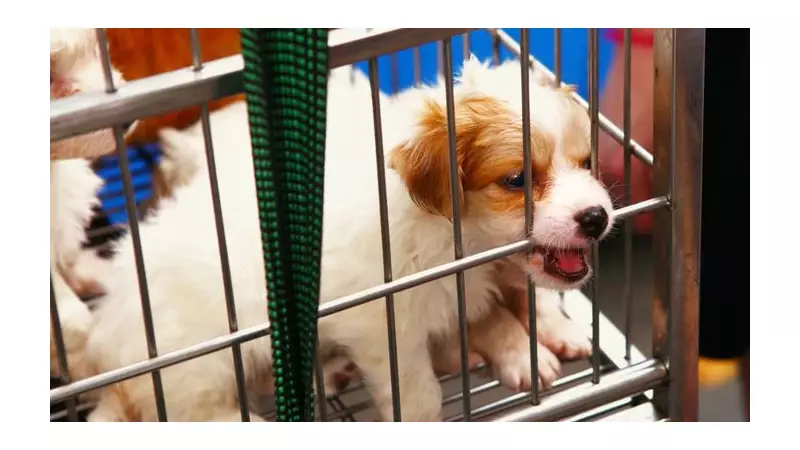
A landmark piece of legislation designed to end the cruel and illegal smuggling of pets into the United Kingdom has now formally become law. The Animal Welfare (Import of Dogs, Cats and Ferrets) Bill has received Royal Assent, marking a significant victory for animal welfare campaigners. The government states the new act directly targets the brutal practices associated with the underground puppy smuggling trade.
Stricter Rules to Disrupt Low-Welfare Traders
The core aim of the legislation is to shield animals from exploitation by unscrupulous traders who operate across borders. Officials confirm that enforcement powers have been strengthened, allowing agencies to more effectively identify and disrupt abusive import operations. This represents a major shift in the government's approach to tackling the commercial smuggling of pets.
Key changes under the new rules include a drastic reduction in the number of animals that can be transported for sale. Traders are now prohibited from moving more than five pets per journey, a move intended to dismantle large-scale commercial smuggling. Furthermore, any pet travelling separately from its owner must now do so within a five-day window of the owner's own travel.

New Import Bans to Prevent Suffering
The law introduces a series of specific import bans to prevent animals from enduring long journeys in harmful conditions. These critical prohibitions make it illegal to bring into the UK:
- Dogs and cats under the age of six months.
- Animals that have been subjected to mutilations, such as ear-cropped dogs or declawed cats.
- Heavily pregnant dogs and cats, subject to appropriate exemptions.
Ministers argue that these measures will reduce demand for illegally imported animals while boosting public confidence in responsible, ethical breeders.
Government and Parliamentary Backing
Animal Welfare Minister Baroness Hayman welcomed the new law, underlining the government's commitment. "This Government pledged in its manifesto to end puppy smuggling, and this Act does exactly that," she said. Hayman added that the legislation strengthens pet travel rules to ensure imported animals are healthy, treated with care, and transported humanely, protecting both pets and prospective owners from suffering.
The bill was introduced as a Private Member's Bill by Liberal Democrat MP and veterinary surgeon, Danny Chambers. He emphasised its profound importance, stating, "As a vet, I've treated many dogs with cruelly cropped ears or docked tails, leaving them physically scarred and emotionally traumatised." Chambers noted that this law would have a bigger impact on animal welfare than a lifetime of treating individual animals.
Impact on Buyers and the Future
The government asserts that by reducing the profitability of illegal imports, the act will create a more level playing field for responsible breeders. It is also designed to reassure buyers that the pets they purchase have not come from unlawful or low-welfare supply chains. Officials hope the measures will lower the risk of families facing emotional distress or high veterinary bills from caring for pets harmed by smuggling.
Chambers acknowledged the support from the Department for Environment, Food and Rural Affairs (Defra), animal welfare organisations, and the public in getting the bill through Parliament. The Department confirmed that implementation of the reforms through secondary legislation will now begin, aligning with the forthcoming Animal Welfare Strategy scheduled for publication later this year.