On the Sefton Coast, conservation success hinges on the smallest details. One of the most critical is the Petalwort, a minuscule plant that serves as a vital indicator of dune health.
The Plight of a Dune Superstar
Measuring a mere two millimetres across, Petalwort resembles a tiny lettuce head. This remarkable non-vascular plant absorbs nutrients directly through its cells and thrives in areas with light vegetation and bare sand, such as well-worn paths.
The drought conditions and very low water table of 2025 proved catastrophic for the species. For the first time, no Petalwort was recorded in the frontal dunes between Ainsdale and Birkdale, its traditional stronghold.

Green Sefton's Recovery Mission
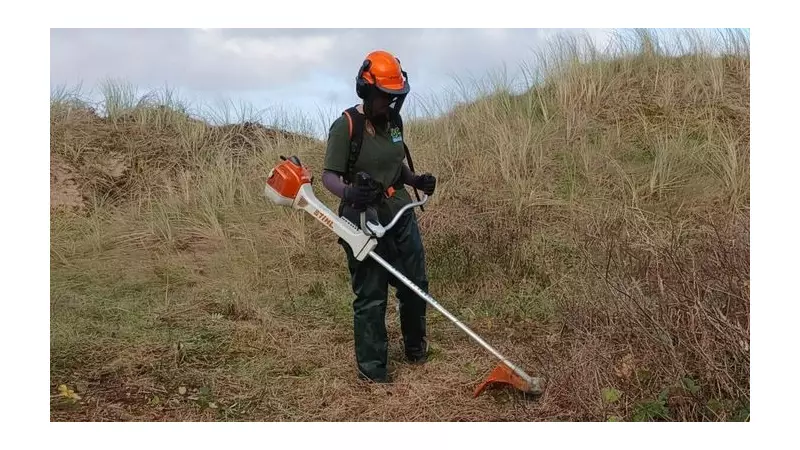
In response, the Green Sefton team has launched a targeted effort to improve the plant's odds. Community rangers like Jordan Scott are strimming back vegetation in former habitats to create the short, open sward Petalwort needs.
They have also established a dedicated "Petalwort Safari" walking route and are encouraging the public to use it. Increased footfall naturally keeps the grass low, creating perfect conditions for the tough little plant, which often thrives where it is lightly trodden.
Join the Guided Petalwort Trail
To engage the community, Community Ranger Jordan Scott will lead a guided walk along the Petalwort Trail on Saturday, January 24. The walk sets off from the Ainsdale Discovery Centre (PR8 2QB) at 11am.
While the Petalwort itself may not be visible, the walk will explore the unique winter habitats and resilient species of the frontal dunes. Those interested should email Jordan at jordan.scott@sefton.gov.uk. Warm, waterproof clothing and wellington boots are essential.
If you cannot make the guided event, you can still help. Email Jordan for a map of the trail to explore independently. Every visitor helps restore the area to its "Petalwort-friendly" status.
With increased rainfall recently, there is hope this dune superstar will make a strong comeback in 2026.