On a crisp winter's day, the dune systems along the Sefton Coast present a stunning vista of blue skies and subtle, faded vegetation. Yet beneath this serene landscape, a silent battle is being waged against an invasive foe: Sea Buckthorn.
The Problem with Sea Buckthorn
Introduced to this coastline around 1900, when the conservation value of the landscape was poorly understood, Sea Buckthorn has become a major threat. This hardy shrub outcompetes native dune species, creating dense shade that makes areas unsuitable for specialised wildlife. Natterjack Toads and Sand Lizards are among the precious species at risk from this habitat loss.
To compound the issue, Sea Buckthorn is a nitrogen fixer. It draws nitrogen from the atmosphere, enriching the surrounding sand and turning it to soil. While this might benefit a garden, it is disastrous for a dune ecosystem where native plants and animals rely on the unique, heat-retaining properties of bare sand during the summer months.

The Volunteer Army Fighting Back
Green Sefton, the Sefton Council service managing the coastline, is spearheading the fightback with the help of dedicated volunteers. While contractors and core staff tackle larger infestations, a growing band of local residents is taking direct action.
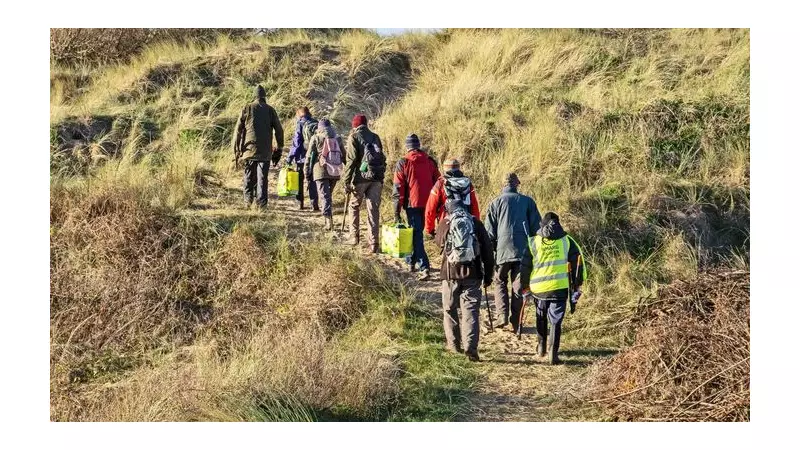
Leading the charge is the Buckthorn Bashers group, led by naturalist Phil Smith. They gather most Thursday afternoons at Ainsdale, targeting young growth in the frontal dunes west of Sands Lake. Their mission is to cut back the scrub, keeping this pernicious plant in check.
They are not alone. Other groups, such as the Hightown Beach Clean Group, meet on Tuesdays during winter to tackle invasive species, working in close partnership with Green Sefton. The scale of the challenge is significant, with many areas along the coast requiring attention.
Join the Conservation Effort
Green Sefton is actively seeking more volunteers to join this vital environmental work. The organisation invites groups, corporate teams, or individuals to take part in volunteering days. All necessary tools, such as loppers and bowsaws, are provided.
"When the weather is good, a day cutting and rooting out this shrub can be a pleasure and a chance to make new friends," says John Dempsey of Green Sefton. "When the weather is bad, well, it is still character building!" Volunteers are advised to wear warm, waterproof clothing, stout footwear, and thick gardening gloves.
For those interested in contributing to the health of Sefton's precious dune ecosystem, contact Green Sefton at greensefton@sefton.gov.uk. There is always an area that would benefit from the attention of a dedicated team, helping to ensure the survival of the coast's unique wildlife for generations to come.