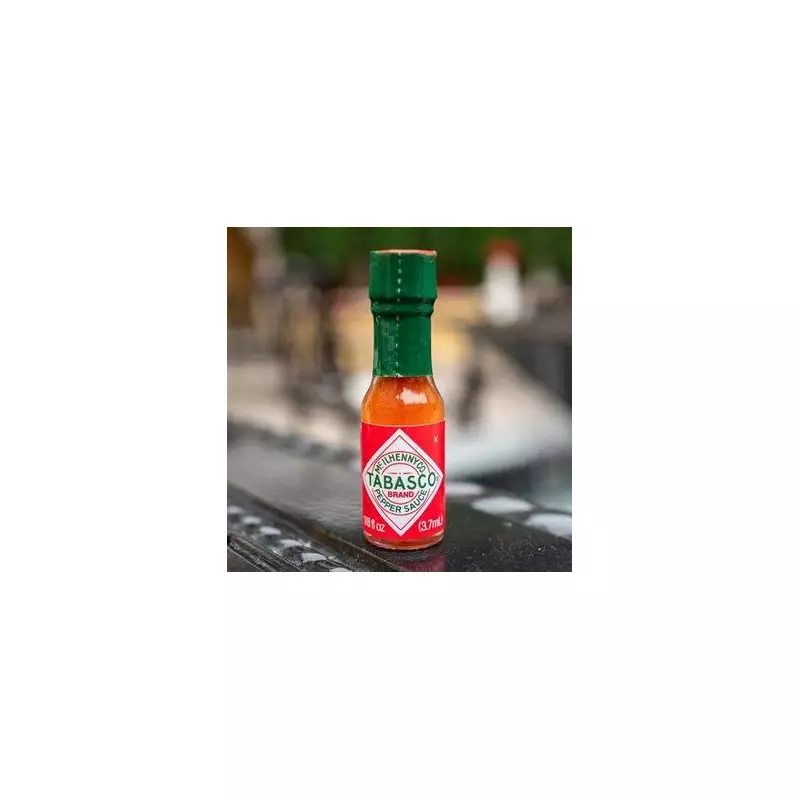
Gardeners across the UK are being advised to reach for a surprising item from their kitchen cupboard this November: a bottle of Tabasco hot sauce. This unconventional gardening tip isn't for flavouring homegrown vegetables but is instead a clever strategy to protect vital food supplies for the nation's birds.
Why Birds Need Our Help This Autumn
This time of year is critical for our feathered friends as they prepare for hibernation or migration. However, bird populations are facing a severe crisis. Many gardeners have noted significantly fewer bird sightings, which aligns with a worrying national trend of declining numbers for species like starlings.
The root cause of this decline is an 80 percent drop in insect populations over the last twenty years. This catastrophic decrease, driven by habitat loss and climate change, is creating a domino effect up the food chain. With their primary food source disappearing, birds are at a genuine risk of starvation.

How Tabasco Sauce Creates a Safe Feeding Zone
While leaving out bird food is a direct way to help, it often attracts unwanted guests like squirrels and foxes who quickly deplete the supplies. This is where the hot sauce solution comes into play.
Birds are uniquely unaffected by the capsaicin in chilli peppers, the compound that creates a burning sensation. Mammals like squirrels and foxes, however, find it intensely unpleasant. By lightly shaking or mixing Tabasco sauce or strong chilli powder onto bird food, gardeners can create a meal that is exclusively for the birds.
The RSPB recommends offering a varied menu on bird tables, birdbaths, or other feeding platforms. This should include:
- A good mix of peanuts and seeds
- Live or dried mealworms and waxworms
- Bruised apples and pears, which are a particular favourite for thrushes and blackbirds
- Small, occasional amounts of household scraps like pastry, cooked rice, or breadcrumbs
A Simple Act with a Significant Impact
This November, a simple bottle of Tabasco sauce represents an easy yet highly effective conservation action. By safeguarding the food we put out, we can ensure that the nutritional support reaches the intended recipients—the birds that are struggling to survive in our changing environment. This small step can make a substantial difference in supporting local wildlife through the challenging autumn and winter months.