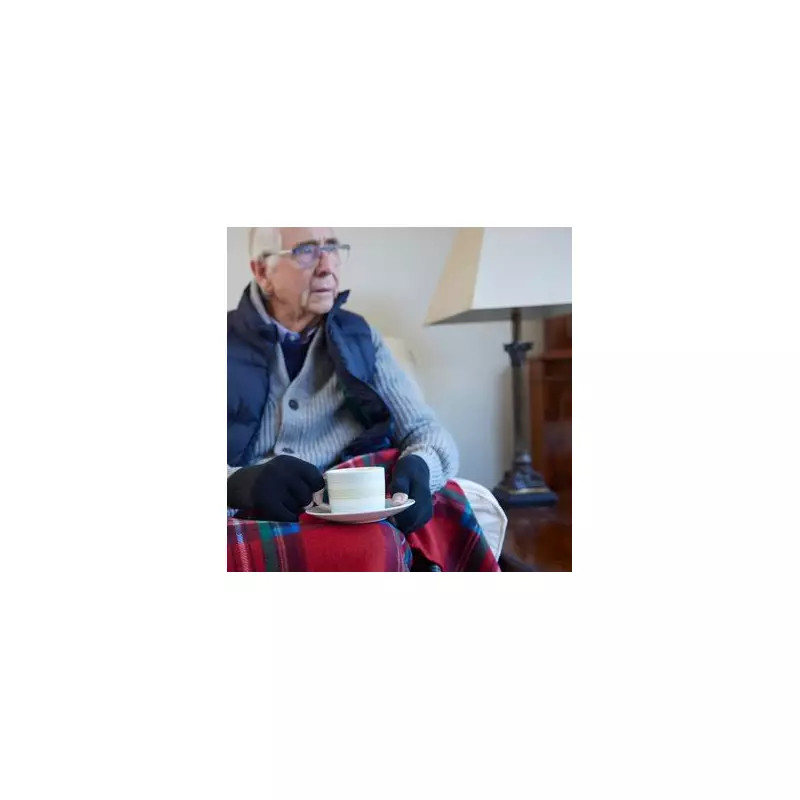
Households across the UK are facing a sharper financial chill this winter following a recent increase in the energy price cap. With heating costs on the rise, maximising your home's efficiency has never been more critical for your wallet.
The New Cost of Keeping Warm
The energy price cap rose by 2% on October 1, 2025, setting the average annual bill for a typical household on a standard variable tariff at £1,755. This uptick makes proactive measures to retain heat and reduce waste an essential part of household budgeting for the colder months.
To help the public combat these rising costs, the specialists at Vidalux.co.uk have shared a series of practical and effective strategies. Andy Ellis from Vidalux emphasises the urgency, stating, "Now is the time to check radiators and boilers to ensure they’re working properly before the cold really settles in."

Six Expert Tips for a Warmer, Cheaper Home
1. Bleed Your Radiators for Peak Performance
If you notice cold patches on your radiators, it's a clear sign they need bleeding. This process removes trapped air pockets that prevent hot water from circulating effectively. Always turn off your heating and let the radiator cool first. Using a radiator bleed key, open the valve at the top with a towel ready to catch drips. Once the hissing of escaping air stops, retighten the valve. Don't forget to check your boiler's pressure gauge afterwards.
2. Install Reflective Foil Behind Radiators
Andy Ellis highlights this simple yet clever trick: "Another great trick is to place reflective foil behind the radiator to prevent the heat from escaping through external walls." This foil acts as a barrier, redirecting valuable heat back into the room instead of letting it dissipate through the walls, thereby improving your home's heating efficiency.
3. Keep Your Radiators Clean
A clean radiator is an efficient radiator. Dust and grime that accumulate in the grooves can significantly hinder heat transfer. This forces the system to work harder and longer to warm a room. A regular clean with a long duster or pipe cleaner can restore its performance and help you save on energy bills.
4. Check for and Remove Sludge
Over time, rust and dirt can form a sludge inside your radiators, particularly if they have been inactive. This buildup acts as an insulator, blocking effective heat transfer. To resolve this, you may need to drain the radiator and use a hosepipe attached to the valve to flush the sludge out completely.
5. Monitor Your Boiler Pressure
Your boiler's pressure is vital for circulating hot water throughout your home. Low boiler pressure can prevent your radiators from heating up properly and may cause your entire heating system to shut down. Conversely, excessively high pressure can strain the system, though most boilers have a safety valve to prevent damage. Keeping the pressure within the recommended range is key to efficient operation.
6. Rearrange Furniture for Better Airflow
It may seem obvious, but furniture placement has a major impact on heat distribution. "Having things like sofas and beds in front of the radiator means they’ll be absorbing most of the heat," explains Ellis. By moving large items away from your radiators, you allow warm air to circulate freely around the room, ensuring the heat warms you and your space, not just your furniture.
Taking Control of Your Energy Costs
With winter setting in and energy bills climbing, these six steps offer a practical starting point for any UK household looking to enhance their heating efficiency. By implementing these expert tips, from bleeding radiators to optimising room layout, you can ensure your heating system works for you, not against your finances.