Simple Boiler Adjustment Could Cut Energy Bills by £87 Per Year
Homeowners with boilers are being urged to make a minor tweak to their heating systems that could result in substantial annual savings on energy expenses. According to energy experts, adjusting the flow temperature on condensing combi boilers represents an effective method for reducing household costs without compromising comfort.
Optimal Temperature Settings for Maximum Efficiency
Energy specialists recommend setting the heating flow temperature between 55°C and 60°C for optimal efficiency. This simple adjustment can potentially save households up to £87 annually on their energy bills. The default boiler settings are typically higher than necessary, leading to unnecessary energy consumption and increased costs.
Octopus Energy has provided specific guidance, stating: "Set your boiler's flow temperature between 55 and 60 degrees. You could save: £87." The energy company explains that the flow setting controls the temperature of water as it leaves the boiler, and reducing this temperature can yield significant financial benefits.

Understanding How Temperature Adjustments Impact Savings
Research indicates that decreasing your heating temperature by just 1°C can reduce energy bills by up to 10 percent. With this in mind, experts recommend maintaining living areas at temperatures between 18°C and 21°C for optimal comfort and efficiency.
Nesta, the innovation charity, supports these findings, suggesting that turning down your boiler's flow temperature can cut energy bills by approximately 12 percent, translating to potential savings of up to £87 annually. Your home will maintain its warmth while consuming less energy.
Practical Implementation for Different Heating Systems
For households with combi boilers, experts recommend specific settings:
- Set flow temperature to 50°C for heating
- Set flow temperature to 55°C for hot water
These adjustments help maximize energy efficiency while maintaining necessary functionality. On most combi boilers, the heating temperature is indicated by a radiator symbol, while hot water temperature is shown with a tap symbol. Use the up and down arrows on your boiler interface to make these adjustments.
Alternative Heating Controls and Safety Considerations
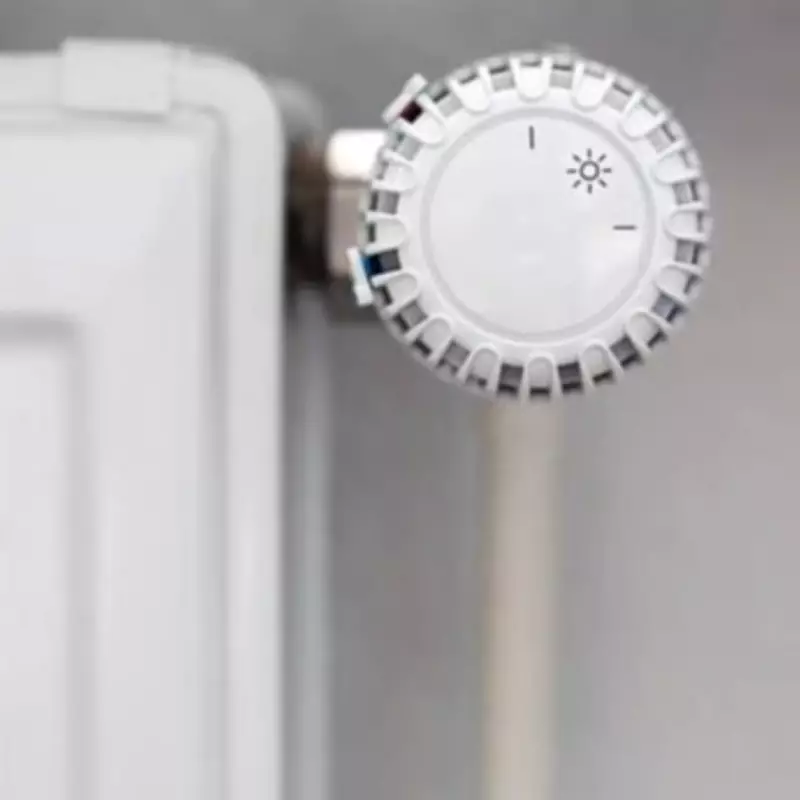
For homes without room thermostats, thermostatic radiator valves (TRVs) offer an alternative method for temperature control. These can be adjusted incrementally to ensure you're not heating unused rooms unnecessarily, providing additional savings opportunities.
For systems with boilers and separate hot water cylinders, different recommendations apply:
- Set the boiler flow temperature a few degrees above 60°C for both heating and hot water
- Adjust the hot water cylinder to 60°C (typically controlled via a dial located one-third of the way up the tank)
Important safety note: Hot water should be stored at sufficiently high temperatures to prevent bacterial growth, including legionella. Always consult safety guidelines when adjusting your heating system settings.
This straightforward approach to boiler management demonstrates how minor behavioral changes can lead to significant financial savings while contributing to reduced energy consumption and environmental impact.