EcoFlow Stream Review: A Practical Path to Solar Savings
For homeowners contemplating solar power but deterred by substantial installation costs, EcoFlow's Stream series presents a compelling and more affordable alternative. This do-it-yourself solar solution is gaining traction, particularly during its Black Friday sale, where complete setups are available for under £2,000.
How the DIY Solar System Works
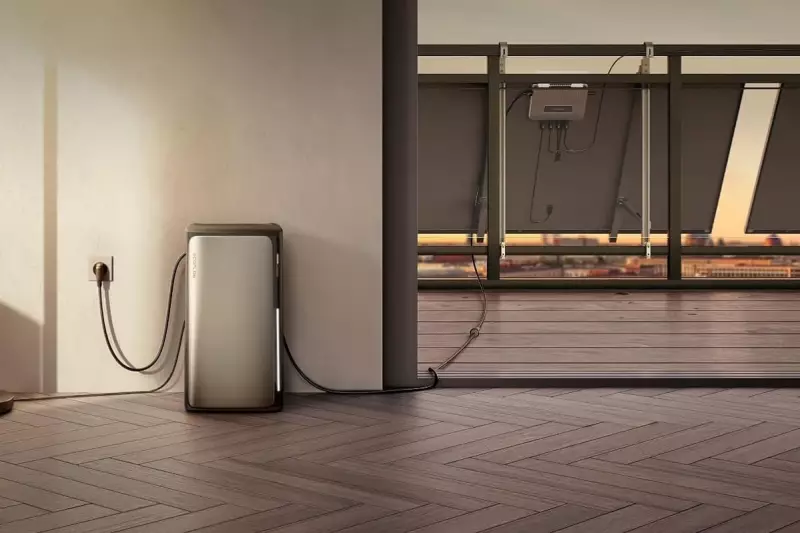
The system simplifies the transition to solar energy by bundling the necessary technology into compact units. The core components include solar panels, microinverters, and batteries, all designed for user-friendly installation. The Stream Ultra and Stream AC Pro units, each about a third the size of a standard refrigerator, connect directly to a home's mains supply.
An AI-driven system intelligently manages the power flow, monitoring household electricity consumption in real-time. It balances the energy being stored in the battery with the power being used, seamlessly covering the home's load with solar energy whenever possible. The accompanying mobile app provides live statistics, showing everything from current solar generation to daily financial savings, making it an engaging tool for users.

Real-World Performance and Bill Reduction
In practical use, the system's impact is immediately visible on a smart meter. During sunny periods, and even on moderately cloudy days, the meter can drop to zero watts for significant portions of the day. Users have the flexibility to manually control the battery—charging it during daylight and using the stored power at night—or simply let the AI optimise the process automatically.
While the shorter, cloudier days of the British winter yield smaller savings—sometimes around 50p per day—the potential is far greater in sunnier months. With a setup of approximately 2Kw of solar panels, it's possible to save a couple of pounds per day during the summer. This directly translates to lower monthly electricity bills, offering a tangible return on the initial investment.
Costs, Considerations, and Long-Term Value
Despite being marketed as a DIY product, there are potential additional costs to factor in. While the core system is expandable, allowing users to start small and build up, some may require an electrician to wire the unit into the household supply, which could cost around £60. A smart meter is also recommended for optimal AI performance, and panel fixings or cable extensions might add to the initial outlay.
The payback period depends heavily on panel placement and, crucially, the British weather. A poor summer will naturally slow down the return on investment. It's also important to note that this system does not allow users to sell excess power back to the grid. However, for those with the space and inclination, the EcoFlow Stream offers a satisfying way to reduce grid reliance and take control of energy costs, with the current Black Friday sale making it an especially attractive proposition.