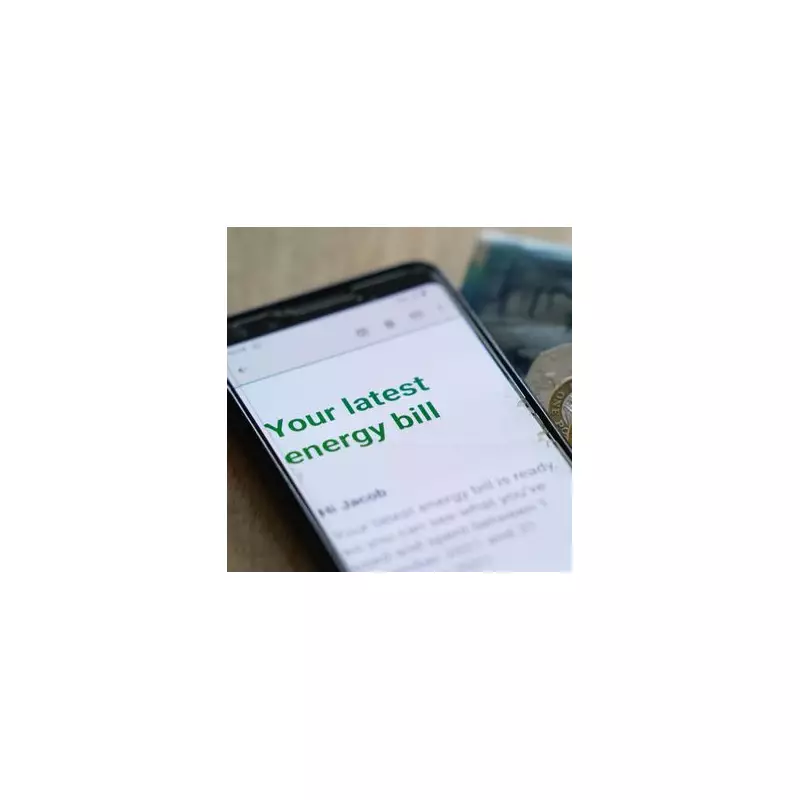
Millions of households across England, Scotland, and Wales are set to face higher energy costs from the start of the new year. The energy regulator, Ofgem, has announced an increase to its price cap, which will take effect on January 1, 2026.
This adjustment means the annual bill for a typical household paying by direct debit for both gas and electricity will rise by approximately £3, taking the total to £1,758 per year.
Understanding the Ofgem Price Cap
The energy price cap sets a maximum limit on the amount suppliers can charge per kilowatt hour (kWh) of energy used. It is crucial to understand that this is not a cap on your total bill. Your final amount depends entirely on your actual energy consumption; if you use more than the typical household, you will pay more, and if you use less, you will pay less.

It is important to note that energy is regulated separately in Northern Ireland, so this change applies only to Great Britain.
Why Are Bills Increasing?
Interestingly, this price cap rise is not being driven by the usual suspect – wholesale energy costs. Ofgem reports that wholesale prices are currently stable and have actually fallen by 4% over the last quarter.
Instead, the increase is attributed to other factors, including:
- Government policy costs, such as the new Nuclear Regulated Asset Base (RAB) levy, which helps fund future nuclear power stations like Sizewell C in Suffolk. This adds around £1 per month to bills.
- An increase in standard charges to cover schemes like the Warm Home Discount, which provides a £150 electricity bill rebate to eligible low-income households.
Budget Speculation and Future Support
This announcement adds pressure on the government to provide further cost-of-living support. All eyes are now on Chancellor Rachel Reeves, who will deliver the autumn Budget on November 26.
Experts and industry leaders are suggesting several potential measures to alleviate the burden on households:
- Removing the 5% VAT on energy bills, a move forecasters at Cornwall Insight say could save around £80 million collectively from January's bills.
- Shifting or removing certain green levies from electricity bills into general taxation.
Dhara Vyas, Chief Executive of Energy UK, stated the industry is 'keen to see the Government take action to reduce bills', potentially by 'removing some levies from electricity costs'.
Echoing this, Dame Clare Moriarty of Citizens Advice said, "In next week’s Budget, the Government must cut electricity bills by shifting some policy costs... This could bring electricity bills down by hundreds of pounds."
The Labour government has reiterated its election pledge to cut energy bills by £300 a year by 2030. A Number 10 spokesman confirmed the commitment, highlighting the expanded Warm Home Discount scheme providing £150 off bills this winter and the long-term strategy of becoming a 'clean energy superpower' to reduce reliance on volatile international fossil fuel markets.