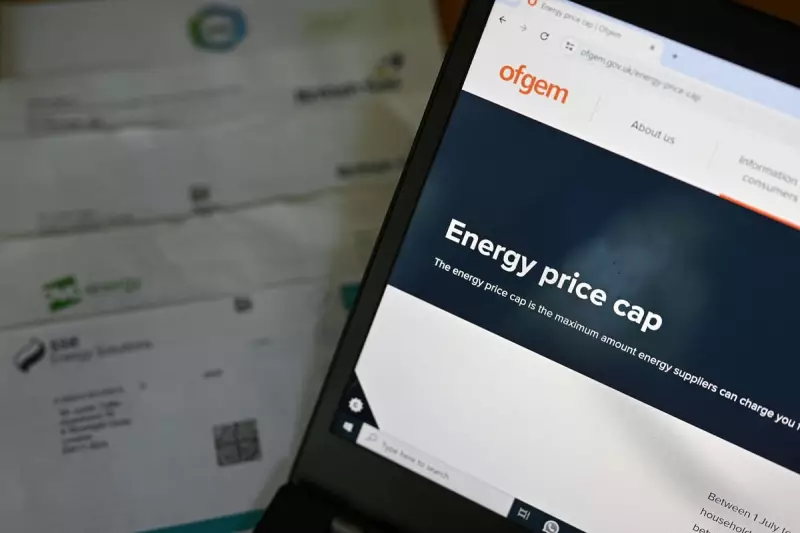
British households face minimal relief from high energy bills in early 2026, with a tiny price reduction expected in January being quickly reversed by a significant increase in spring.
Minimal savings for households
Fresh predictions from energy consultancy Cornwall Insight indicate the Ofgem price cap will decrease by just 1% when it resets in January 2026. For the typical household, this translates to annual savings of approximately £22, or less than £2 per month.
The marginal dip is primarily driven by small reductions in wholesale energy prices. However, these already modest savings are being partially offset by the introduction of a new Nuclear RAB levy, designed to fund future nuclear power station construction, which will add around £10 to annual bills.

Spring price hike looms
Experts warn that January's insignificant reduction will be short-lived. Cornwall Insight now forecasts the price cap will jump by approximately £75 when it next changes in April 2026.
This anticipated increase marks a significant shift in what drives energy costs higher. Unlike previous surges triggered by global wholesale market volatility, the upcoming spring hike is attributed to rising charges for maintaining Britain's energy infrastructure, including electricity transmission lines and gas distribution systems.
Long-term transition costs
Craig Lowrey, Principal Consultant at Cornwall Insight, emphasised that the headline decrease masks the continuing financial pressure on consumers. "January's price cap dip might look like good news but it's only part of the picture," he stated.
"Bills are still well above pre-crisis levels and are set to climb again in April, and this time it's not higher wholesale prices driving the rise."
Lowrey explained that the transition toward renewable energy and greater energy independence involves substantial upfront investments that are now appearing on household bills. "The shift to renewables will bring long-term stability and energy independence, but it's not free," he noted. "The upfront costs are real, and they're landing on bills now."
For households already grappling with the wider cost of living crisis, January's negligible reduction offers little financial breathing room, with the prospect of even higher energy costs emerging just months later.