Millions of British households are set for a welcome reduction in their energy costs this spring, with the industry price cap forecast to fall to its lowest point in over a year and a half.
Substantial Savings Forecast for April
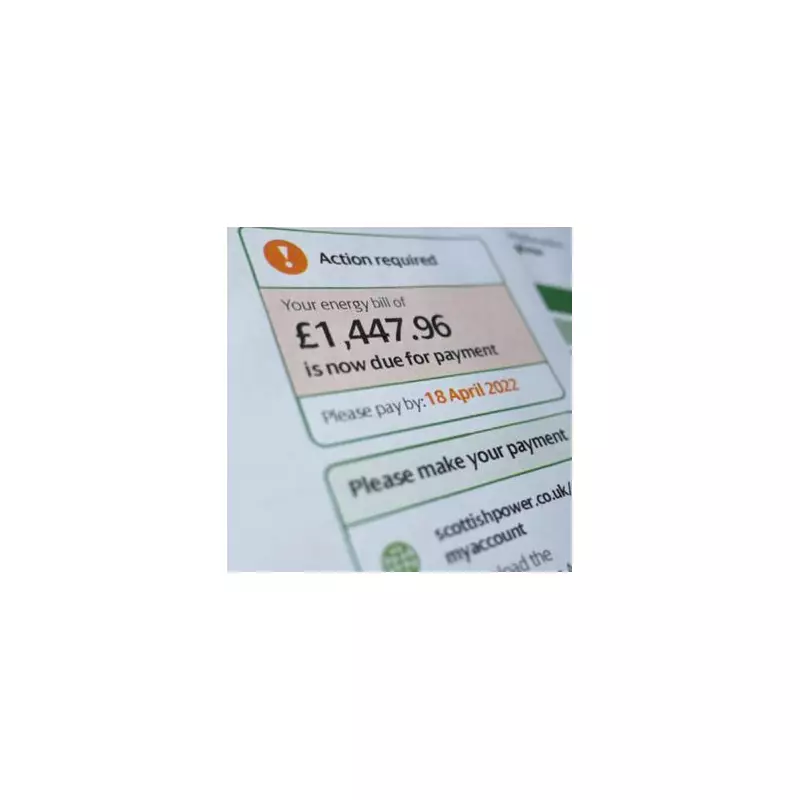
According to the leading energy market consultancy Cornwall Insight, the UK's household energy price cap is projected to fall by 8% in April 2026. This significant drop is expected to slash a typical annual dual-fuel bill by £138.
The forecast suggests the average yearly cost for gas and electricity will fall to approximately £1,620. This follows a minor adjustment by the energy regulator, Ofgem, which saw the cap rise by 0.2% to £1,758 from the 1st of January 2026.

Policy Shifts Driving the Reduction
The anticipated decrease is largely attributed to measures announced in the previous autumn budget. The government moved certain policy costs, specifically the renewables obligation, away from consumer bills and onto general taxation.
Craig Lowrey, Principal Consultant at Cornwall Insight, explained the dynamic. "We need to be clear – costs aren't vanishing, they're shifting," he said. "Moving the renewables obligation from bills to taxation may feel like a win, but ultimately, it's still going to be paid by the public."
Lowrey noted that this move is a step towards the government's target of a £300 reduction in energy costs by 2030, offering some relief to families and policymakers alike.
Industry Reaction and the Long-Term View
Jack Richardson, Head of Policy at Octopus Energy, welcomed the change, stating it represented "the biggest push in 20 years to cut regressive energy taxes that hold back net zero." He emphasised that the cuts would most benefit those in fuel poverty, while calling for further action on the new levy control framework.
The underlying calculation for the price cap, set by Ofgem, is built from the bottom up. It includes:
- The wholesale cost of energy.
- Non-wholesale costs, such as network charges, low-carbon levies, policy costs, taxes, and assumed supplier margins.
Looking ahead, experts stress that sustainable, lower bills are intrinsically linked to the green transition. "The transition to net zero isn't cheap, but it's the only route to genuinely lower bills in the long term," concluded Craig Lowrey of Cornwall Insight.