Consumer champion Martin Lewis is urging households across Britain to take immediate action following Ofgem's confirmation that the energy price cap will increase in January.
What the new price cap means for your bills
The energy regulator has announced that the price cap will rise by 0.2% from January 1st, pushing the average annual dual-fuel bill for households in England, Scotland, and Wales from £1,755 to £1,758. This represents an increase of approximately 28p per month for the typical home.
This change comes just months after a separate 2% increase implemented on October 1st, which had already added around £35 to annual energy costs.

Not a uniform increase: The hidden impact on electricity users
In a detailed post on X (formerly Twitter), the MoneySavingExpert.com founder highlighted that the headline figure masks significant variations. While the overall cap shows a slight rise, the underlying components tell a different story.
Electricity unit rates are jumping by 5.1% to 27.69p per kWh, up from 26.35p. Meanwhile, gas unit rates are falling by 5.7% to 5.93p per kWh. Standing charges for both fuels are also increasing.
Lewis specifically warned that households not on fixed tariffs with high electricity use and low or no gas use could see their actual bills rise by 3% to 4% come the new year.
Why are bills rising when wholesale costs fell?
Contrary to typical patterns, this price cap increase is not driven by rising wholesale energy costs, which actually decreased during Ofgem's assessment period. Lewis explained that the rise stems from a combination of policy costs and network charges.
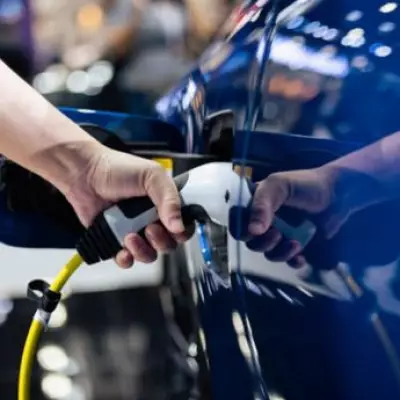
These include costs associated with nuclear power, connecting energy networks, and funding the Warm Home Discount scheme. The Money Saving Expert noted the "perverse" situation where policy costs are loaded onto electricity bills, making the cleaner fuel relatively more expensive despite government aims to move people away from gas.
What you should do now
Martin Lewis's clear advice is for consumers to be proactive. He recommends using a comparison site like Cheap Energy Club to find a cheaper fixed tariff, noting that current fixes are about 10% below the price cap.
He also mentioned that some cheaper tariffs may launch soon, suggesting it might be worth waiting a week before switching. With the price cap predicted to rise by a further 4-5% in April, securing a competitive fixed deal now could lead to significant savings.