Households across the United Kingdom are being urged to reconsider their daily habits with a kettle, following new guidance that could lead to significant savings on energy bills.
The Cost of an Overfilled Kettle
In a recent online blog published on 11th January 2026, the Energy Saving Trust (EST) issued practical advice aimed at cutting domestic energy consumption. The trust highlighted that kettles rank among the most frequently used kitchen appliances, with usage spiking during major television and sporting events.
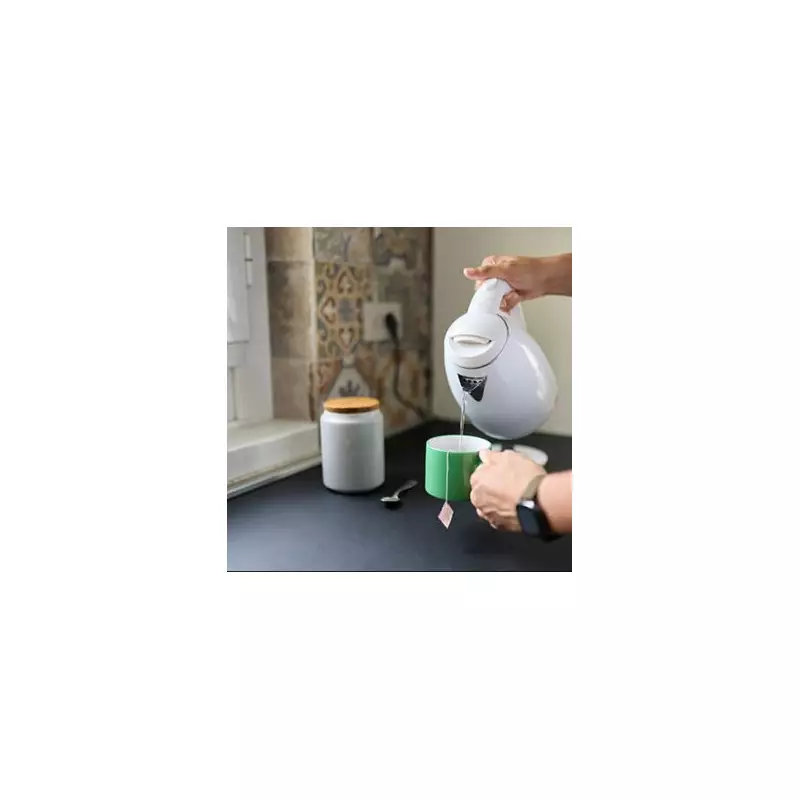
A common mistake is boiling more water than necessary. The EST states that by consciously avoiding overfilling the kettle, a typical household can save approximately £10 per year in Great Britain and £12 in Northern Ireland on their electricity costs.

Simple Home Upgrades for Big Savings
Beyond kettle use, the energy experts recommend another straightforward modification: installing an aerator on kitchen taps. These small, perforated devices reduce water flow without compromising effectiveness for washing or rinsing.
The EST notes this is a relatively cheap and easy installation that could yield savings of £20 annually in GB and £18 in NI.
Conquer Phantom Power from Standby Mode
One of the most impactful pieces of advice centres on 'phantom' energy drain from appliances left on standby. While some devices like fridge-freezers must remain on, many others can be safely switched off at the plug when not in use, especially overnight or for extended periods.
Turning appliances off standby can save around £45 per year in GB and £55 in NI, making a noticeable difference to annual bills. The EST suggests assessing which devices are essential. For example, a microwave might display a clock, but if you have another timepiece in the kitchen, it could be switched off at the wall.
The guidance also touches on smart cooking practices to enhance efficiency. Using leftovers creatively helps reduce food waste and can save energy by avoiding pre-heating the oven for a new meal or shortening cooking times for the second dish.
For frozen leftovers, the EST advises fully defrosting them in the fridge before reheating in the microwave, as this uses considerably less energy than cooking from frozen.