New forecasts for 2026 paint a stark picture for British households, warning of a persistent financial squeeze from energy costs despite potential dips in the price cap. The core of the issue lies in high standing charges, which consumers must pay before using a single unit of gas or electricity.
The £327 'Subscription Fee' for Being Connected
Analysis reveals that households are expected to pay a staggering £327.92 annually in standing charges alone. This mandatory fee, essentially a subscription for being connected to the national grid, is set to rise by 2.4%. The burden falls disproportionately on three specific groups:
- Low-usage households
- Renters
- People living alone
These consumers are often unable to offset the fixed charge by reducing their consumption further, leaving them feeling locked into expensive bills regardless of how carefully they manage their energy use.

Rising Electricity Costs and the Green Penalty
While gas prices are predicted to fall, the cost of electricity is forecast to rise by approximately 5.1% from January. This hike will hit the estimated 2.6 million households relying on electric heating particularly hard, making it more expensive to stay warm.
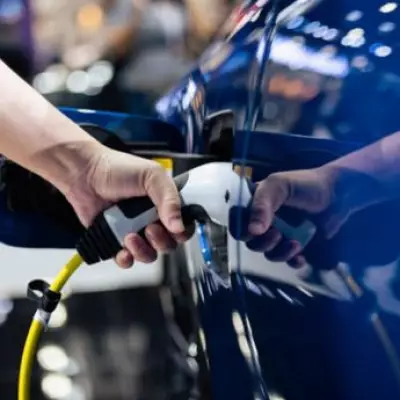
Furthermore, around 1.8 million electric vehicle (EV) owners may find themselves penalised for 'going green'. Higher unit rates for electricity could erode the economic advantages of home charging, making the switch from petrol or diesel vehicles less financially appealing.
Uncertain Savings and the Need for Proactive Action
A predicted £150 annual saving in April 2026 remains on the horizon, but its delivery is uncertain as it depends entirely on suppliers passing on policy cost reductions. Households may need to proactively review their tariffs to ensure any savings are applied.
Consumer switching activity remains lower than pre-2019 levels, despite competitive fixed deals often offering better value than standard variable tariffs (SVTs). Those who remain on SVTs risk paying significantly more than savvy shoppers who seek out better rates.
Scott Byrom at The Energy Shop suggests that investing in home battery systems and solar panels is the most effective long-term strategy for gaining control. By generating and storing their own power, residents can avoid expensive peak-time grid prices and shield themselves from market volatility.