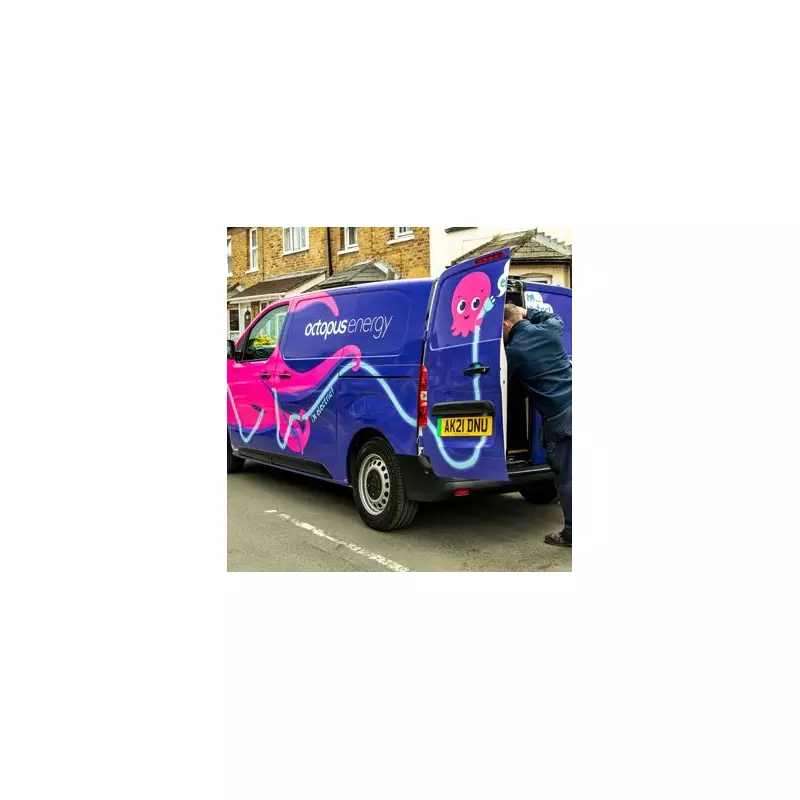
The chief executive of Octopus Energy has provided a significant update for customers regarding potential changes to standing charges, ahead of a major regulatory shift scheduled for 2026.
Ofgem's 2026 Rule Change and the Martin Lewis Interview
Greg Jackson, the founder and CEO of Octopus Energy, appeared on a recent episode of ITV's Martin Lewis Money Show to address questions about upcoming regulations from the energy watchdog, Ofgem. The new rules, set to come into force in the spring of 2026, will require suppliers to offer tariffs with low or even zero standing charges.
During the interview, Martin Lewis directly asked Jackson: "Will Octopus have a no standing charge tariff in 2026?" Jackson's response was cautious, stating, "I don't know yet. We're working on it." He explained the fundamental challenge energy companies face: fixed costs of around £200 per customer per year, which are incurred regardless of energy usage.

The Financial Challenge for Suppliers
Jackson highlighted the core dilemma. "The day that you switch to us, we get charged essentially, over the next year we will get £200 of fixed costs even if you use no power," he said. He warned that if companies cannot recover these mandatory network and administrative costs through a daily standing charge, they would be forced to recoup them elsewhere.
His primary concern is that this could lead to much higher unit rates for electricity, potentially making such tariffs poor value for the majority of consumers. "My worry is people will have very high unit rates, to recoup that money, and it will end up being not good value for most people," Jackson stated.
Martin Lewis concurred, noting the complication that unit rates fall outside the Ofgem price cap, leaving them unregulated.
What Are Standing Charges and Why Do They Vary?
Standing charges are a fixed daily fee that covers the cost of maintaining the energy network, meter readings, and government obligations. They vary significantly across the UK based on geography.
Costs are higher in rural areas like parts of Scotland, Wales, and northern England, where the network is more spread out and there are fewer households to share the infrastructure expenses. Each regional electricity distribution network operator (DNO) calculates its costs and divides them among local customers, leading to regional variations.
On its website, Octopus Energy has criticised recent standing charge increases, attributing them to two main factors: the costs of taking on customers from failed suppliers during the energy crisis, and a change in how distribution network costs are billed, moving them from the unit rate to the standing charge.
The company argues that standing charges unfairly impact those in less densely populated areas and make it harder for people to reduce bills by cutting their energy usage.
For customers with prepayment meters, it's crucial to remember that the daily standing charge is deducted from top-ups. If you don't top up for a period, the accumulated standing charges will be taken from your next payment.