State Pensioners Advised to Disconnect Four 'Vampire Appliances' Ahead of Energy Price Cap Increase
State pensioners across the country are being strongly encouraged to unplug a series of common household items as the energy price cap is forecast to rise once again. The Ofgem price cap, currently set at £1,641 per year for an average dual-fuel household from April to June 2026, is predicted to increase substantially in July 2026. Estimates indicate it could surge to approximately £1,930–£1,937, adding further financial pressure on households.
Predicted Price Cap Rise and Contributing Factors
Money Saving Expert, the website founded by BBC and ITV personality Martin Lewis, provided insight into the upcoming changes. "The drop in April is largely due to the Autumn Budget, when the Government announced it would cut household energy bills by '£150' a year," the site explained. "However, from July analysts are predicting the Price Cap will rise significantly, due to the recent conflict in the Middle East. Plus wholesale costs remain high and network costs are predicted to rise over the next five years."
Expert Advice on Energy Efficiency and Cost Savings
Energy efficiency specialist Stephen Hankinson from Electric Radiators Direct emphasized the importance of proactive measures. "It sounds so simple but switching your appliances off at the wall really is the best way to ensure you're not spending your hard-earned income on keeping things in standby mode," he stated. "The cost of a couple of coffees might not concern you however, £145 is a big food shop, two tanks of petrol or even a nice meal out. There really are much better ways to use this money than giving it to the energy companies."

Four Most Expensive Devices to Leave on Standby
Stephen Hankinson identified four of the most costly devices to leave on standby, often referred to as 'vampire appliances' due to their energy consumption even when not in active use:
- Game consoles
- Televisions
- Gaming PCs
- Desktop computers
This means state pensioners who have consoles in their homes for grandchildren are among those particularly at risk of unnecessary energy expenditure.
Practical Recommendations for Reducing Energy Bills
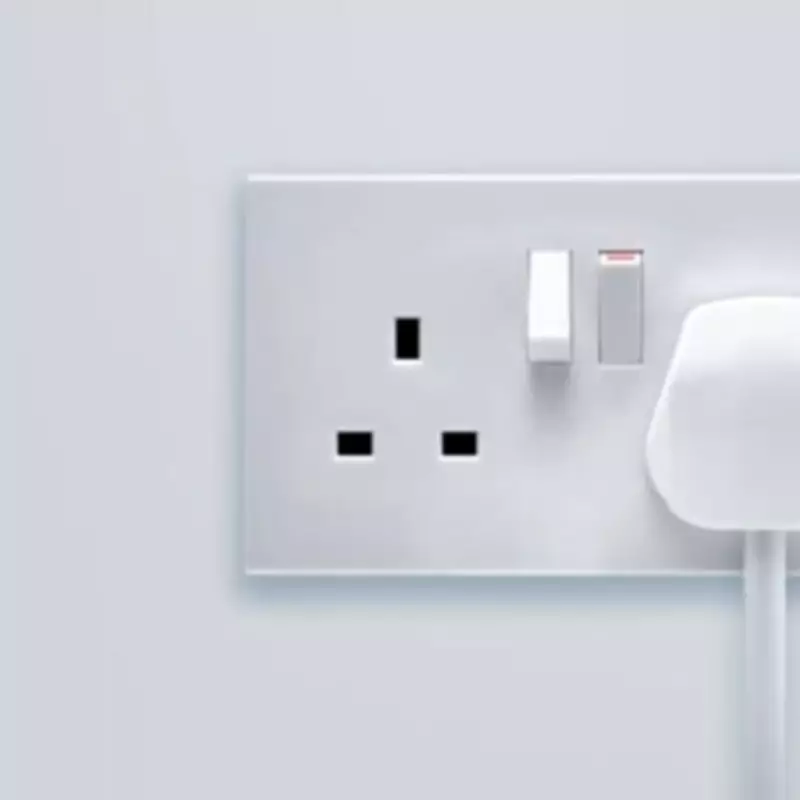
To mitigate these additional costs, Stephen advises adopting simple yet effective habits. "To avoid these extra costs, unplug your devices when they're not in use or use smart plugs with timers to automatically cut power. It's a simple habit change that can lead to big savings," he recommends. Implementing these strategies can help households, especially those on fixed incomes like state pensioners, manage their energy expenses more effectively amidst rising prices.