The financial pressure on British families shows no sign of easing, with energy costs remaining a significant burden on household budgets. The start of 2026 brought a fresh increase, as the energy regulator Ofgem raised its price cap on January 1st.
The Latest Rise in Energy Costs
The new cap sets a typical annual dual-fuel bill at £1,758, marking a slight 0.2% rise from the previous quarter. For average users, this translates to an extra 28 pence per month. Experts attribute this increase to higher electricity unit rates and network costs, which include funding for new nuclear power projects, despite a welcome fall in wholesale gas prices.
While the hike is modest, it represents another financial strain for families already grappling with the high cost of living. In response, personal finance specialists are urging households to take proactive, simple steps to regain control of their energy spending.

Simple Changes for Major Savings
Kara Gammell, a personal finance expert at MoneySuperMarket, emphasises that meaningful savings don't always require expensive upgrades. "After the excitement of Christmas and New Year, January can feel like a long month, and many households will be looking for ways to cut back without compromising on warmth and wellbeing," she said.
"Big upgrades like insulation or a new boiler can pay off over time, but they often come with a high upfront cost. The good news is that small, simple changes are cheap, easy to implement, and can add up to meaningful savings."
Gammell also highlights that the single biggest saving often comes from switching to a better energy tariff, advising consumers to regularly check for available deals.
Nine Energy Efficiency Hacks to Implement Now
MoneySuperMarket has outlined a series of low-cost actions that, collectively, could help UK households reduce their annual energy bills by as much as £1,141.
1. Turn Appliances Off at the Plug
Avoid leaving chargers, laptops, and games consoles on standby. This simple habit could save you up to £45 a year.
2. Switch to LED Light Bulbs
Replacing old halogen bulbs with efficient LEDs can cut electricity usage by £45 annually. Their long lifespan of up to 20,000 hours means lifetime savings can exceed £150 per bulb.
3. Fit a Water-Efficient Shower Head
These devices reduce hot water use without sacrificing pressure, potentially saving a substantial £210 a year on combined water and energy bills. Some water companies provide them for free.
4. Stop Draughts
Sealing gaps around doors and windows prevents warm air from escaping, saving up to £85 annually. Inexpensive draught-proofing strips offer a quick fix compared to professional installation.
5. Use Radiator Reflectors
Fitting foil panels behind radiators on external walls bounces heat back into the room. This measure could save around £25 a year.
6. Bleed Your Radiators and Keep Them Clear
Releasing trapped air ensures your heating system runs efficiently, while moving furniture away from radiators allows for proper heat circulation. This can prevent your boiler from wasting £90 worth of energy annually.
7. Check Thermostatic Radiator Valves (TRVs)
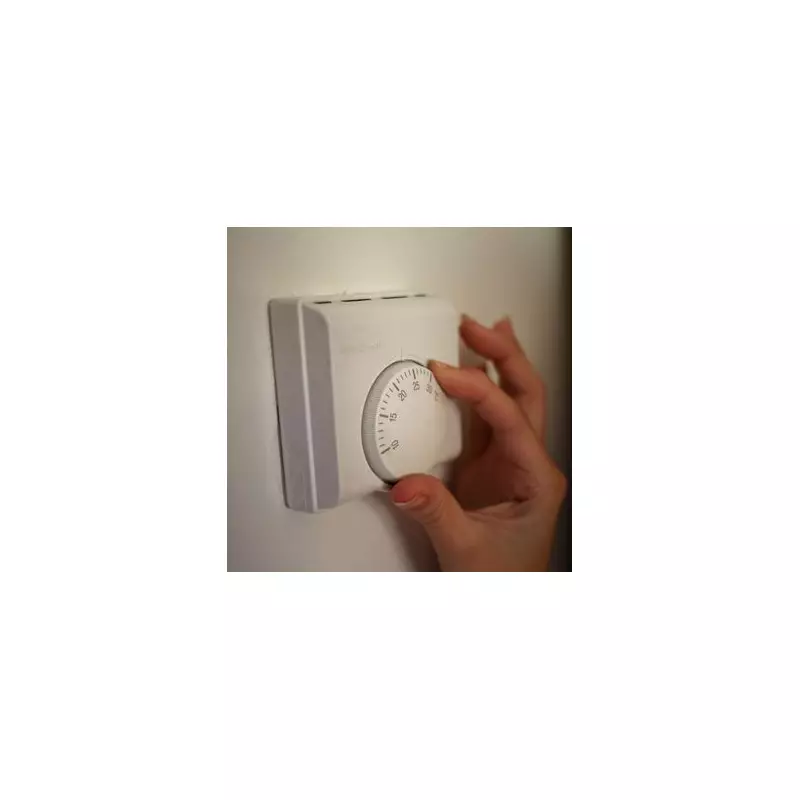
Setting most TRVs to '3' (approximately 20°C) and turning them down in unused rooms reduces boiler strain and could save £110 a year.
8. Pay by Direct Debit
MoneySuperMarket research indicates that customers who pay via monthly Direct Debit typically pay £136 less per year than those who pay on receipt of a bill.
9. Switch Supplier
This remains the most impactful action. Data reveals that half of those who switched their energy supplier saved an average of £395 on their annual bills.
By adopting these practical, low-cost measures, UK households can effectively combat the rising cost of energy and achieve significant financial relief in 2026.