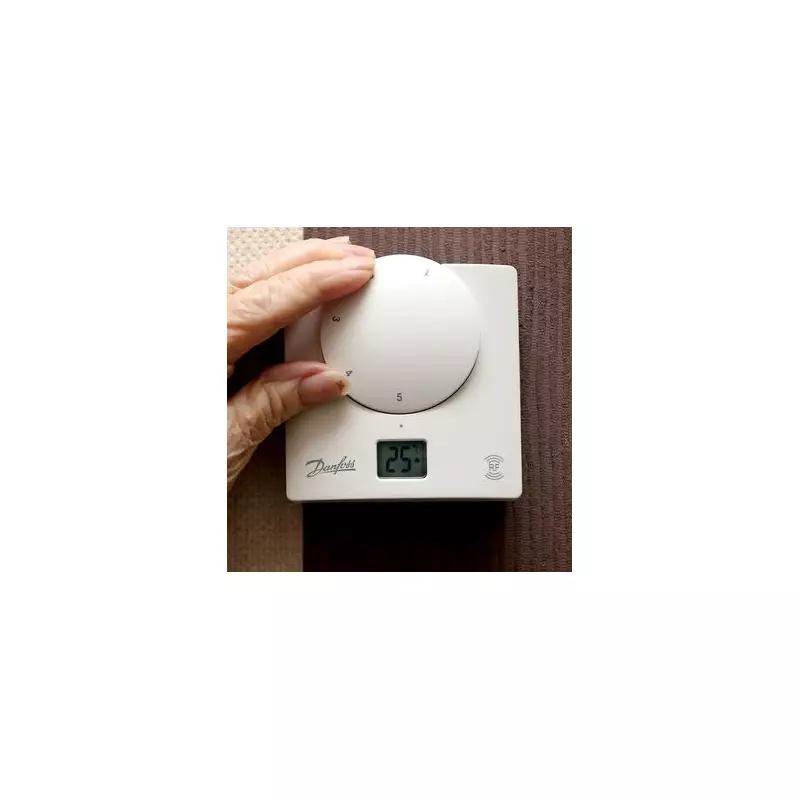
Millions of households across England, Scotland, and Wales are facing a slight increase in their energy costs as the new year begins, but a simple change in behaviour could lead to significant annual savings.
Price Cap Rise and Potential Savings
From January 1, 2026, the energy regulator Ofgem increased its price cap, leading to a 0.2% rise in variable tariffs. For a typical household, this translates to an approximate £3 annual increase. While this rise is modest, it adds further pressure on budgets, with a recent survey revealing that 73 per cent of people see reducing heating costs as their top priority.
In response, energy experts are urging customers of major suppliers like British Gas, OVO Energy, EDF, and Octopus Energy to adopt smarter heating habits. Adam Knight, Lead Engineer at BOXT, warns against drastic measures, stating: "Cutting back on heating can lead to issues like respiratory problems and increased risk of illness."

A Safer Path to Lower Bills
Instead of forgoing heat entirely—a plan for nearly half (48 per cent) of Britons this winter—homeowners are advised to focus on efficiency. One highly effective method is to heat only the room you are using. According to analysis, this single action could save a typical household £174 every year.
The potential savings vary significantly by property type, offering even greater relief for some:
- Detached homes: Up to £569 per year
- Semi-detached houses: Around £361 per year
- Bungalows: Up to £315 per year
- Mid-terrace homes: Approximately £295 per year
- Flats: Roughly £131 per year
Smart Technology for Long-Term Control
Investing in technology can provide further control and insight into energy use. Smart thermostats allow users to manage heating remotely via a smartphone and track consumption patterns. "That kind of control adds up to real savings over time," added Adam Knight.
This advice provides a crucial alternative to simply turning down the thermostat, helping UK residents stay warm while managing the ongoing cost of living pressures effectively.