As energy bills are poised to rise in the new year, families across the UK are seeking effective ways to reduce their household expenditure. However, many are inadvertently making their financial situation worse due to simple but costly errors with their heating controls.
The Costly Impact of Thermostat Placement
According to energy specialist Gordon Wallis from Your NRG, one of the most frequent and expensive mistakes involves where the thermostat is located in the home. A device positioned incorrectly cannot gauge the room's temperature accurately, leading to inefficient heating cycles.
"If the thermostat is next to a radiator, exposed to direct sunlight, or behind furniture, it will get a false reading," Wallis explained. This misleading data causes the boiler to switch off prematurely or to run for longer than is needed, wasting both energy and money.

The expert advises that the optimal spot for a thermostat is in a central location with consistent airflow, such as a hallway or a main living area, away from direct heat sources or draughts.
Why Cranking Up the Dial Doesn't Work
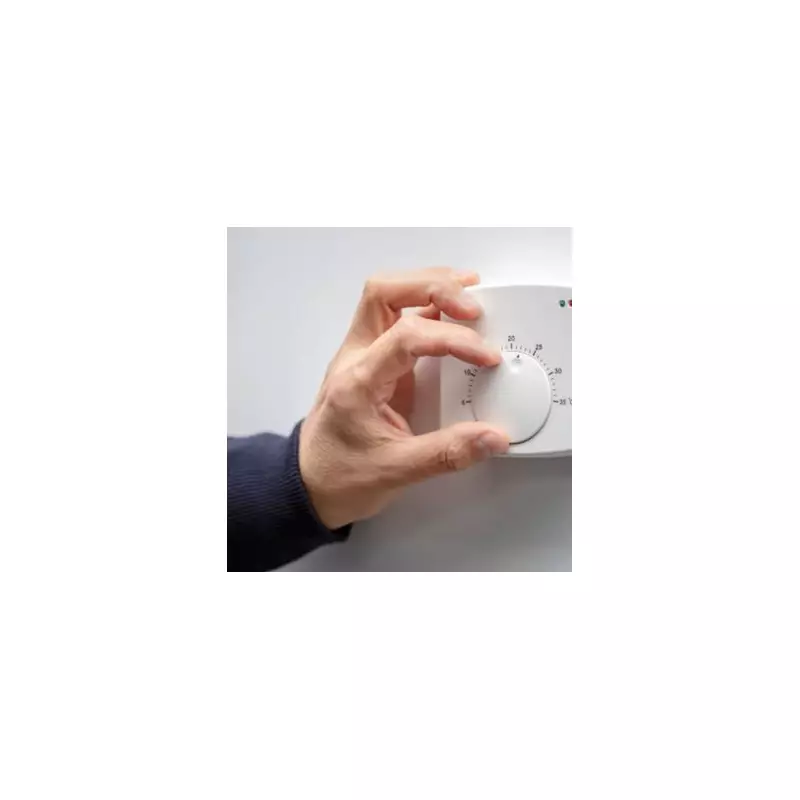
The second widespread blunder occurs when homeowners feel a sudden chill. The instinctive reaction is to turn the thermostat dial up high, believing this will heat the home more quickly.
Wallis was keen to clarify this misconception. "The thermostat maintains the temperature you set," he stated. "If you want your home to be 20°C, you do not need to adjust it because the weather has dropped. Turning it higher only increases running time and energy use."
In essence, setting the thermostat to 25°C will not warm your home faster than setting it to 20°C; it will simply cause the heating system to work until the entire house reaches 25°C, consuming significantly more fuel.
Simple Steps for a Warmer, Cheaper Home
Beyond correcting thermostat use, Wallis highlighted several low-cost measures that can enhance a home's warmth without touching the controls. These steps ensure your heating system works at its peak efficiency.
He recommends regularly bleeding radiators to remove trapped air, which prevents them from heating up fully. Furthermore, moving sofas or other furniture away from radiators allows heat to circulate freely into the room. Another effective tactic is fitting reflective panels behind radiators on external walls, which bounce heat back into the living space.
"They are small things that can make the home feel warmer without turning the thermostat up," Wallis concluded. By avoiding these two common thermostat mistakes and implementing simple efficiency measures, UK households can combat rising energy costs and keep their homes comfortably warm throughout the winter.